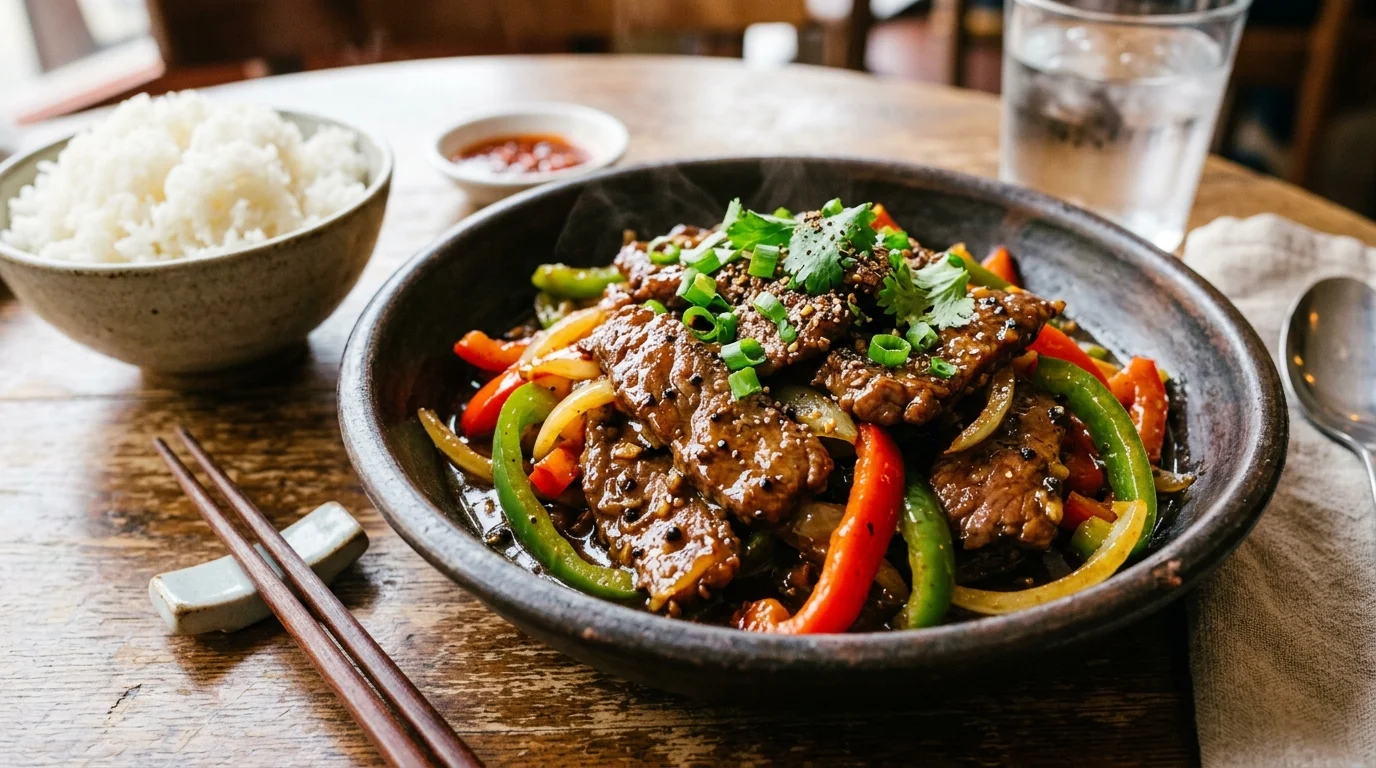
Pepper Steak Recipe Bold, Tender & Ready in 30 Minutes
This pepper steak recipe is a classic stir-fry built on tender beef strips, crisp bell peppers, and a savory soy-based sauce. It works for weeknight dinners, meal prep lunches, or a quick post-work meal that feels restaurant-worthy. The flavor is bold, the cooking fast, and the ingredients simple. No complicated steps — just pure pepper steak goodness on a plate.
Ingredients List
- 1.5 lbs flank steak or sirloin (sliced thin against the grain)
- 2 large bell peppers (red, green, yellow, or a mix — sliced into strips)
- 1 medium yellow onion (sliced into half-moons)
- 4 garlic cloves (minced)
- 1 tbsp fresh ginger (grated)
- 3 tbsp soy sauce (low-sodium recommended)
- 2 tbsp oyster sauce (or hoisin for a sweeter finish)
- 1 tbsp rice vinegar
- 1 tbsp brown sugar (or honey)
- 1 tsp freshly cracked black pepper (plus more to taste)
- 1.5 tbsp cornstarch (divided)
- 3 tbsp neutral oil (avocado, canola, or vegetable)
- ½ cup beef broth or water
- 1 tsp sesame oil (optional, for finishing)
- 2 green onions (sliced, for garnish)
- Cooked white rice or noodles (for serving)
Step-by-Step Instructions
Step 1: Gather and Prep Your Ingredients
Pull everything from the fridge before you turn on the heat. Stir-fry cooks fast — there is no time to chop mid-cook. Slice the steak thin against the grain into strips about ¼ inch thick. A partially frozen steak slices cleaner, so chill it for 20 minutes if needed.
Slice the bell peppers into long strips, halve and slice the onion, and mince the garlic and ginger. Whisk the soy sauce, oyster sauce, rice vinegar, brown sugar, beef broth, and 1 tablespoon of cornstarch in a small bowl. This sauce thickens the moment it hits the pan.
Pro Tip: Keep your sauce, beef, and vegetables in three separate bowls — the order you add them to the pan matters.
Step 2: Slice and Marinate the Steak
Toss the sliced beef with the remaining ½ tablespoon of cornstarch, a splash of soy sauce, and a pinch of black pepper. This thin coating is called velveting, and it locks in moisture during the high-heat sear. The result is steak that stays tender instead of tough or rubbery.
Let the beef rest for at least 10 minutes while you finish prep. The cornstarch needs that time to bind to the surface of the meat. If you are short on time, even 5 minutes makes a noticeable difference in the final texture.
Pro Tip: Never skip the cornstarch coat — it is the single biggest reason restaurant pepper steak feels silky.
Step 3: Sear the Steak in a Hot Pan
Heat 2 tablespoons of oil in a large skillet or wok over high heat until it shimmers. Add the beef in a single layer — work in two batches if your pan is crowded. Crowding traps steam, and you want a hard sear, not a slow simmer.
Sear for 60 to 90 seconds without stirring, then flip and cook another 30 seconds. The strips should be browned outside but still slightly pink inside. Transfer to a plate and tent loosely with foil. Repeat with the second batch if needed.
Pro Tip: A smoking-hot pan is non-negotiable — drop a bead of water in, and it should evaporate instantly.
Step 4: Sauté the Peppers and Aromatics
Add the last tablespoon of oil to the same pan. Toss in the onions and peppers and stir-fry for 2 to 3 minutes. You want them softened at the edges but still crisp in the middle — that contrast is what makes pepper steak feel alive on the plate.
Push the vegetables to the sides of the pan. Add the garlic and ginger to the empty center and stir for 30 seconds, until fragrant. Cooking aromatics directly on the pan surface — not buried under vegetables — releases far more flavor.
Pro Tip: If garlic starts to brown, pull the pan off heat for ten seconds — burnt garlic ruins the whole dish.
Step 5: Build the Sauce
Give the sauce mixture a quick whisk — cornstarch sinks fast — and pour it into the pan. It will sizzle and start to thicken within seconds. Stir constantly so it coats the vegetables evenly without scorching at the bottom.
Return the seared beef along with any juices from the plate. Toss everything together for 1 minute, just long enough to heat the steak through and glaze it with sauce. Do not overcook here — the beef finishes in the residual heat.
Pro Tip: Taste before serving — adjust with extra soy for salt or a pinch of sugar to round it out.
Step 6: Plate, Garnish, and Serve
Spoon the pepper steak over a bed of hot white rice or noodles. Drizzle with the optional sesame oil and scatter sliced green onions across the top. A final crack of black pepper sharpens the flavor and gives the dish its name.
Serve immediately while the sauce still has its glossy sheen. Pepper steak loses its texture if it sits — the peppers soften and the sauce thickens too much. Have everyone at the table before you plate.
Pro Tip: For a heartier plate, swap rice for crispy fries and turn it into a steakhouse-style meal.
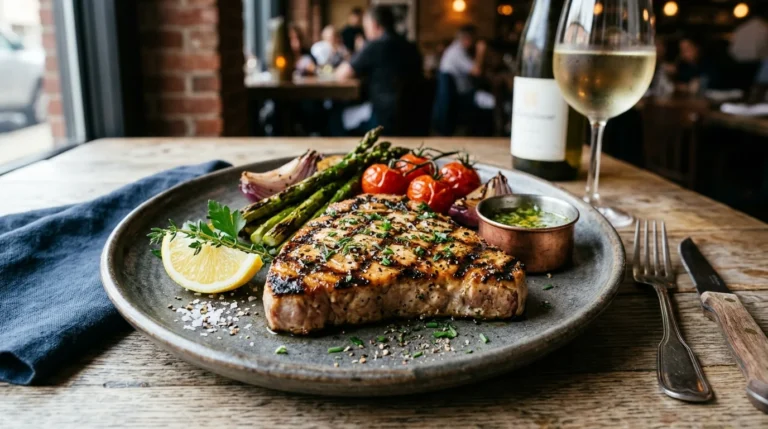
📖 Read More: Steak Frites Recipe
Cook Time
Total Time: 30 minutes | Prep: 15 minutes | Cook: 15 minutes
Servings
Serves 4 generously — about 1.5 cups of pepper steak per portion (approximately 12 oz with rice).
Nutritional Information (approx. per serving)
| Nutrient | Amount |
|---|---|
| Calories | 385 |
| Fat | 18g |
| Saturated Fat | 5g |
| Carbohydrates | 16g |
| Protein | 38g |
| Sugar | 6g |
| Fiber | 2g |
| Sodium | 720mg |
| Vitamin C | 95mg |
| Potassium | 620mg |
| Calcium | 45mg |
Values are approximate and will vary based on ingredients used.
Storage Instructions
Pepper steak is best eaten fresh, while the peppers still have bite and the sauce stays glossy. Refrigerate leftovers in an airtight container for up to 3 days. Reheat gently in a skillet with a splash of water or broth — microwaving works but softens the texture.
Freezing finished pepper steak is not ideal — the peppers turn watery once thawed. Use the freezer pack method instead. Portion the raw sliced beef and chopped vegetables into separate bags, store up to 3 months, and stir-fry fresh from the freezer for the best texture.
📖 Read More: Steak Bowl Recipe
Suggestions
- Steak Bowl Version: Skip the rice base and pile pepper steak over cauliflower rice, quinoa, or mixed greens. Top with avocado, kimchi, or a soft-boiled egg. This version turns the dish into a complete one-bowl meal that works for a quick lunch or a low-carb dinner.
- High-Protein Version: Bump the steak to 2 pounds and reduce the rice portion. Add edamame or black beans for extra plant protein. Each serving climbs to 50+ grams of protein, making it a strong post-workout option that still tastes like comfort food.
- Dairy-Free and Gluten-Free Option: This recipe is naturally dairy-free as written. For a gluten-free version, swap soy sauce for tamari or coconut aminos. Double-check that your oyster sauce is labeled gluten-free, since most standard brands contain wheat.
- Kid-Friendly Twist: Cut the black pepper in half and add a tablespoon of honey to the sauce for a milder, sweeter glaze. Serve over plain rice with the peppers chopped small. Most kids stop fighting the vegetables when they come glazed in something familiar.
- Weight-Loss Version: Use lean sirloin trimmed of visible fat, halve the oil, and skip the brown sugar. Serve over a smaller portion of rice with extra peppers and onions. This brings calories under 280 per plate without sacrificing the bold flavor.
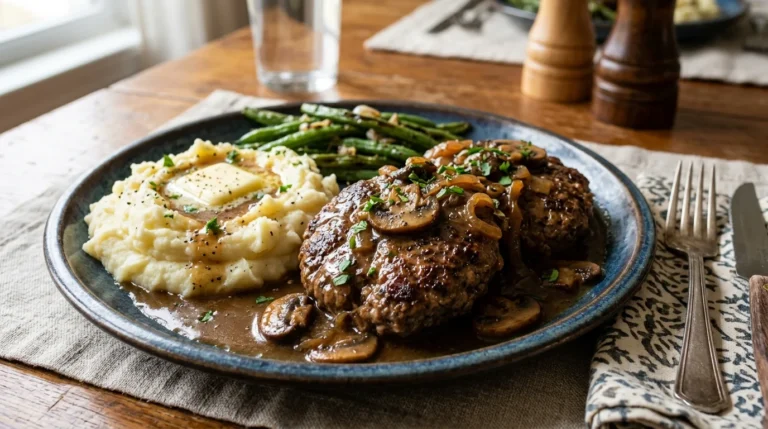
- Salisbury-Style Twist: Form ground beef into oval patties, sear them, and finish with the same pepper-and-onion sauce. The result is a hearty pan dinner that lands somewhere between classic pepper steak and old-school comfort food.
- Spicy Szechuan Style: Add 1 teaspoon of crushed red pepper flakes and 1 tablespoon of chili crisp to the sauce. Throw in a handful of dried red chilies during the aromatics step for an extra layer of heat that builds slowly across each bite.
- Black Pepper Lover’s Version: Triple the cracked black pepper and add 1 teaspoon of white pepper for a sharper burn. This is closest to the Cantonese black-pepper-steak style — bold, peppery, and unapologetic from the first forkful.
📖 Read More: Salisbury Steak Recipe
Seasonal Relevance
Bell peppers peak from June through September — sweetest and cheapest then. Look for firm, glossy skin and a heavy feel for the size. To save peak flavor, slice extras and freeze them flat on a sheet, then bag for up to 6 months. Out of season, October through May, frozen pepper strips stir-fry just as well. Greenhouse peppers are a solid year-round backup.
Conclusion
This pepper steak recipe proves bold, restaurant flavor does not need a long ingredient list or hours at the stove. Nail the slicing, searing, and sauce, and the rest is freestyle. Try it spicy, lean, or over fries — the framework holds. Cook it once, and it earns a spot in your weeknight rotation. Grab the pan and start slicing.