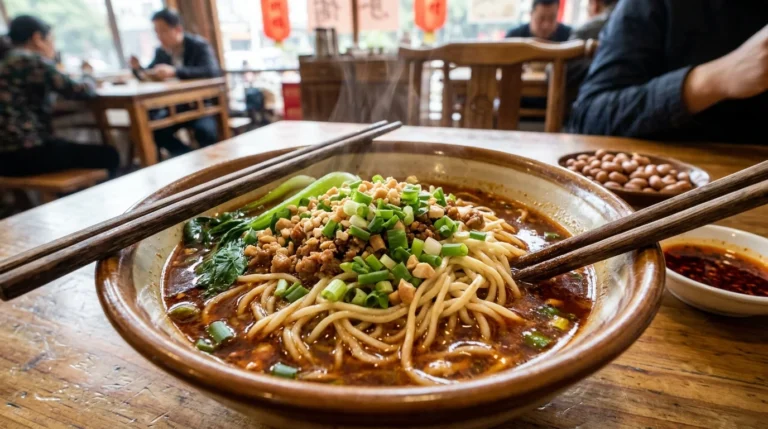
Indomie Noodles Ready in Under 10 Minutes
Indomie noodles are one of those things that people across the world grew up eating and never really stopped. They’re the 3 a.m. meal, the post-workout fix, the quick lunch that somehow always hits the spot. But what most people don’t realize is that indomie noodles are also a genuinely versatile base — one that takes upgrades beautifully without losing any of the comfort that made them iconic in the first place. Whether you eat them straight from the packet or build them into something closer to a proper meal, the result is fast, flavourful, and deeply satisfying. No complicated steps — just pure indomie noodles goodness in a bowl, done exactly the way you want it.
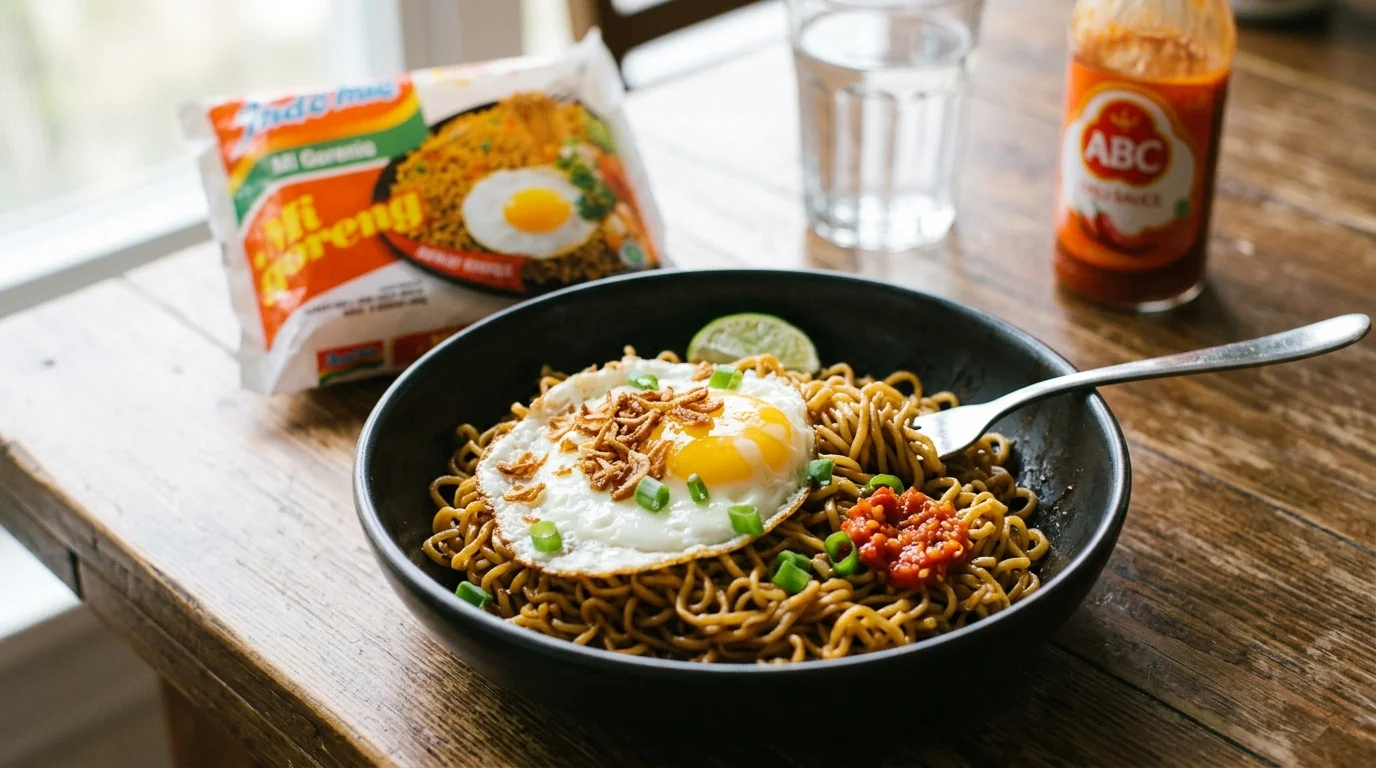
Ingredients
For the Base:
- 2 packets Indomie Mi Goreng instant noodles [or any Indomie flavour of choice]
- 2 cups water, for boiling
- 2 large eggs [fried, soft-boiled, or scrambled — your call]
- 1 tbsp neutral oil [vegetable, canola, or sesame oil]
Included Seasoning Packets (from each Indomie packet):
- Seasoning powder sachet
- Seasoning oil sachet
- Sweet soy sauce sachet (kecap manis)
- Chili sauce sachet
- Fried shallot sachet
Upgrades and Add-Ins:
- 2 cloves garlic, minced
- 1 tsp fresh ginger, grated (optional)
- ½ cup shredded rotisserie chicken or sliced beef strips (optional)
- 1 cup bok choy, spinach, or shredded cabbage (optional)
- ½ cup bean sprouts (optional)
- 2 tbsp soy sauce [for extra depth]
- 1 tsp sesame oil [for finishing]
- 1 tsp chili flakes or sambal oelek [for extra heat] (optional)
- 1 spring onion, thinly sliced, for garnish (optional)
- 1 tsp toasted sesame seeds, for garnish (optional)
- ½ lime, for serving (optional)
Step-by-Step Instructions
Step 1: Gather and Prep Your Ingredients
Before the water goes on, get everything ready at the counter. If you’re adding protein — shredded chicken, beef strips, or a fried egg — have it prepped and ready to go. Slice the spring onion, mince the garlic, and rinse any fresh vegetables. Indomie noodles cook in under 3 minutes, which means everything else needs to be in place before the timer starts. The seasoning packets should also be opened and laid out in order — seasoning oil first, then powder, then soy sauce — so the noodles get dressed the moment they come off the heat.
Pro Tip: If you’re making the stir-fried Mi Goreng version, drain the noodles completely before dressing them. Any residual water in the bowl dilutes the seasoning packets and makes the final dish taste flat instead of punchy and concentrated.
Step 2: Boil the Noodles
Bring 2 cups of water to a full, rolling boil in a small saucepan. Add the indomie noodles — just the noodle blocks, not the packets — and cook for exactly 2–3 minutes, stirring occasionally to separate the strands as they soften. Don’t walk away during this step. Indomie noodles go from perfectly cooked to overcooked very quickly, and overcooked noodles turn mushy and clump together in the bowl. Pull them off the heat while they still have a slight firmness to them — they’ll finish softening in the hot seasoning.
Pro Tip: For the soup version, reserve the cooking water and use it as your broth — it picks up starch from the noodles and gives the soup a slightly more substantial body than plain water. For the dry stir-fry version, drain completely and shake off every drop of water before seasoning.
📖 Read More: Italian Pasta Salad
Step 3: Cook the Garlic and Any Add-In Proteins
While the noodles boil, heat 1 tablespoon of oil in a skillet or wok over medium-high heat. Add the minced garlic and stir for 30–45 seconds until golden and fragrant — this step takes the dish from instant noodle to something that tastes genuinely cooked. If you’re adding protein, toss it into the pan now. Chicken just needs to heat through; beef strips need 2–3 minutes per side. If you’re adding vegetables like bok choy, cabbage, or bean sprouts, add them at this stage and stir-fry for 1–2 minutes until just wilted but still with some crunch. Season lightly with a splash of soy sauce while everything is still in the pan.
Pro Tip: High heat is essential here. A hot pan gives the garlic and protein colour and flavour — a lukewarm pan just softens everything without adding any of the wok-char that makes this version of indomie noodles taste noticeably better than the basic preparation.
Step 4: Dress the Noodles
Drain the noodles and transfer them directly into a bowl or into the skillet if you’re going for the stir-fry version. Add the seasoning oil first — this coats the noodles and stops them from sticking together. Follow with the seasoning powder, sweet soy sauce (kecap manis), and chili sauce. Toss everything together vigorously until every strand is evenly coated and glossy. The order matters: oil first creates a barrier that helps the dry powder adhere evenly rather than clumping in spots.
Pro Tip: If the noodles look a little dry after adding the seasoning packets, a teaspoon of sesame oil or an extra drizzle of the seasoning oil from a spare packet works beautifully as a finishing touch. It adds gloss, aroma, and a subtle nuttiness that elevates the whole bowl.
Step 5: Taste and Fine-Tune
Before anything goes on top, taste the dressed noodles and decide what they need. More heat? Add sambal oelek or extra chili flakes. More depth? A small splash of soy sauce or a tiny drop of fish sauce makes a significant difference. More acidity? A squeeze of fresh lime cuts through the richness of the seasoning oil and brightens the whole bowl. This is also the moment to fold in the bean sprouts or any delicate vegetables that don’t need cooking — they add crunch and freshness against the soft, savoury indomie noodles.
Pro Tip: The included chili sauce packet in Mi Goreng is already quite salty. If you’re adding extra soy sauce or sambal, taste between each addition rather than adding everything at once — it’s easy to oversalt a bowl this size.
Step 6: Top, Garnish, and Serve
Transfer the finished indomie noodles into a serving bowl if they aren’t already. Add the fried shallot packet from the seasoning bundle — don’t skip this, it adds texture and a savoury crunch that’s a core part of what makes Mi Goreng taste the way it does. Top with your cooked egg, sliced spring onion, toasted sesame seeds, and any additional garnishes. Serve immediately — indomie noodles are at their best the moment they’re finished, while the noodles are still springy and the seasoning is fragrant and hot.
Pro Tip: For a fried egg on top, cook it in the same pan you used for the garlic and protein with just a touch of oil over medium heat. A runny yolk breaks over the noodles as you eat and acts as a natural sauce that ties everything together.
Cook Time
Total Time: 10 minutes | Prep: 3 minutes | Cook: 7 minutes
One pot, one pan — minimal cleanup, maximum flavour.
Servings
Serves 1–2 depending on appetite and number of add-ins used.
Nutritional Information (approx. per serving — 2 packets with egg and basic add-ins)
| Nutrient | Amount |
|---|---|
| Calories | 480 kcal |
| Fat | 22g |
| Saturated Fat | 8g |
| Carbohydrates | 58g |
| Protein | 16g |
| Sugar | 6g |
| Fiber | 2g |
| Sodium | 1,340mg |
| Vitamin C | 4mg |
| Potassium | 280mg |
| Calcium | 60mg |
Values are approximate and will vary based on ingredients used.
Storage Instructions
Indomie noodles are best eaten immediately after cooking — the noodles absorb liquid quickly and become soft and clumped together within an hour of sitting. If you’ve made a larger batch with added proteins and vegetables, store the components separately where possible: keep the cooked noodles in one airtight container and the protein and vegetables in another, both refrigerated for up to 2 days. When reheating, add a small splash of water or chicken broth to the noodles before warming them in a pan over medium heat — this revives the texture and prevents them from frying against the pan and breaking apart. Microwave reheating works too, covered loosely with a damp paper towel to introduce a little steam. Avoid refrigerating seasoned indomie noodles for longer than 48 hours — the noodles continue to absorb the seasoning oil and soy sauce as they sit, turning progressively saltier and softer. Freezing is not recommended. The noodle texture degrades completely after freezing and thawing, turning gummy and unpleasant regardless of how well they were sealed. The best approach for making indomie noodles ahead is to keep the dry packets on hand and cook fresh in under 10 minutes — which is the whole point of having them in your pantry.
📖 Read More: ground beef pasta recipes
Suggestions
- Classic Mi Goreng Upgrade: Fry the drained, seasoned noodles in a hot wok with a tablespoon of butter for 60–90 seconds after dressing them. The butter caramelises against the sweet soy sauce and creates a slightly crispy edge on some of the strands — an effortless upgrade that transforms indomie noodles from a quick bowl into something worth sitting down for.
- Indomie Soup Version: Instead of draining, keep the noodles in their cooking water and use it as the soup base. Add the seasoning powder and oil directly to the pot, then pour in an extra cup of hot chicken broth to give the soup more body and depth. Top with a soft-boiled egg, sliced spring onion, and a drizzle of chili oil for a bowl that feels genuinely restorative.
- High-Protein Build: Add 150g of sliced grilled chicken breast, two fried eggs, and a handful of edamame to the base. This version of indomie noodles delivers over 40g of protein per bowl and works well as a post-workout meal that’s fast to make and filling enough to actually recover with.
- Spicy Sambal Version: Double the chili sauce from the packet and stir in a full tablespoon of sambal oelek during the dressing step. Add sliced bird’s eye chili on top for anyone who wants additional heat. The base seasoning in Mi Goreng is sweet and savoury — the sambal cuts straight through that richness and gives the noodles an aggressive, deeply satisfying kick.
- Vegetable-Loaded Bowl: Stir-fry 1 cup of mixed vegetables — bok choy, mushrooms, shredded carrot, and bean sprouts — with the garlic before adding the noodles. This version adds volume, fibre, and colour without meaningfully changing the prep time. It’s the most practical way to turn indomie noodles into a balanced, nutritious meal rather than a snack.
- Dairy-Free Creamy Version: Stir 2 tablespoons of coconut cream into the dressed noodles immediately after seasoning. The coconut cream creates a rich, silky coating that softens the saltiness of the seasoning packets and adds a subtle sweetness that pairs unexpectedly well with the chili sauce. Finish with fresh lime and coriander.
- Kid-Friendly Mild Bowl: Use the chicken flavour Indomie packet instead of Mi Goreng, skip the chili sauce entirely, and add only the seasoning powder and oil. Toss in small broccoli florets and diced carrot cooked until just tender. The mild, savoury broth-style flavour of chicken Indomie is far more approachable for young eaters, and the vegetables blend into the bowl without standing out enough to be picked around.
- Weight-Loss Friendly Option: Use one packet instead of two to halve the sodium and calorie load, and bulk the bowl with 2 cups of shredded cabbage or zucchini noodles tossed in alongside the indomie noodles. Add a poached egg for protein, skip the seasoning oil packet, and replace it with a small drizzle of sesame oil for flavour with less saturated fat. The result is a filling, lower-calorie bowl that still tastes unmistakably like indomie.
Seasonal Relevance
Indomie noodles work year-round, but the way you build them shifts with the seasons. From June through August, the stir-fried Mi Goreng version with fresh bean sprouts, cucumber ribbons, and a squeeze of lime is the move — it’s fast, doesn’t heat up the kitchen, and the fresh garnishes keep the bowl feeling light. In autumn and winter, October through February, the soup version becomes far more appealing — a deep, steaming bowl with soft-boiled egg, sliced mushrooms, and extra chili oil is genuinely warming and comforting on a cold evening. Spring is the best time to load indomie noodles with fresh greens — bok choy, spinach, and pea shoots are at their peak from March through May and wilt into the bowl beautifully without any additional prep. If you keep a well-stocked pantry of Indomie packets, the seasonal element is purely in the fresh add-ins you choose — the noodles themselves are always ready.
Conclusion
Indomie noodles are proof that fast food and good food don’t have to be different things. The packet alone is already satisfying — but once you understand how to build on the base with proper proteins, vegetables, and a few smart flavour additions, the result is a bowl that holds its own against meals that take three times as long to prepare. The key is treating the seasoning packets as a starting point rather than the whole story, and approaching each bowl the way you’d approach any real dish — with a taste, an adjustment, and a finish that makes it yours. Try a different variation each time, work through the suggestions, and find the version of indomie noodles that you keep coming back to.
FAQs
Q: What is the difference between Indomie Mi Goreng and regular Indomie?
Indomie Mi Goreng is a dry, stir-fried style noodle that gets drained before the seasoning packets are added — there’s no soup broth involved. Regular Indomie noodles are designed to be eaten in a light, seasoned broth using the cooking water as the base. Both use the same style of wheat noodle, but the seasoning packet contents and the preparation method are entirely different. Mi Goreng is generally considered the more flavourful and popular of the two styles, particularly for building upgraded versions with additional toppings.
Q: Are indomie noodles healthy?
In their basic form, indomie noodles are high in sodium and refined carbohydrates, with relatively modest amounts of protein and fibre. That said, they’re a practical and affordable base that becomes significantly more nutritious when you add eggs, lean protein, and vegetables. The key is treating them as the carbohydrate component of a meal rather than the whole meal — one or two packets with a protein source and a vegetable brings the nutritional profile much closer to a balanced dish.
Q: Can I cook indomie noodles without boiling them?
Yes. You can soak the noodle blocks in boiling water from a kettle for 3–4 minutes in a bowl — no stovetop required. This works particularly well for the soup version. For the stir-fry version, par-soak for 2 minutes until pliable but still firm, drain, and finish them in a hot oiled pan where they’ll continue cooking and pick up colour and texture. It’s a useful method when a stovetop isn’t available.
Q: Why do my indomie noodles always clump together?
Clumping happens when noodles sit undressed after draining — the surface starch cools and acts like glue. The fix is simple: add the seasoning oil packet the moment the noodles are drained and toss immediately. The oil coats every strand and prevents them from sticking. If you’re not quite ready to dress the noodles, drizzle a few drops of any neutral oil over them as soon as they’re drained and toss briefly — this buys you an extra minute or two.
Q: Can I add an egg directly into the noodle water while they cook?
Yes — crack an egg directly into the boiling noodle water in the last 60 seconds of cooking and leave it undisturbed. The white will just set while the yolk stays runny. Lift it carefully with a spoon when transferring to the bowl. This is the fastest and most minimal way to add an egg to indomie noodles, and it requires no extra pan or oil. The yolk breaks over the noodles as you eat and adds richness to every bite.
Q: What’s the best way to reduce the sodium in indomie noodles?
Use only half of the seasoning powder packet and compensate with a small amount of low-sodium soy sauce and a squeeze of lime. The lime juice and acid trick the palate into perceiving more flavour, which means you notice the reduction in salt far less than you’d expect. Adding fresh herbs like coriander and spring onion also adds flavour that partially offsets the reduced seasoning. Using one packet instead of two and bulking the bowl with vegetables is the most effective overall approach.
Q: Can I make indomie noodles ahead of time for meal prep?
Not ideally — cooked indomie noodles deteriorate quickly in texture and flavour. The better approach is to pre-prep everything around the noodles: marinate and cook the protein, wash and chop the vegetables, and have your garnishes ready so the actual noodle cooking takes under 5 minutes when you’re ready to eat. If you do need to prep ahead, cook and dress the noodles, refrigerate in an airtight container, and plan to eat within 24 hours, adding a splash of water when reheating to revive the texture.