Chinese Noodles Savoury, Silky & Ready in 20 Minutes
Chinese noodles are one of the most satisfying things you can cook at home fast, deeply flavoured, and endlessly adaptable to whatever protein and vegetables you have on hand. The foundation is always the same: a well-seasoned sauce built from soy, garlic, and aromatics, noodles cooked and tossed through at high heat until every strand is coated and glossy, and a handful of fresh garnishes that add crunch and brightness to the finished bowl.
What makes the difference between a good plate of Chinese noodles and an outstanding one is heat, timing, and getting the sauce right before anything goes into the wok. Whether you’re building a quick weeknight stir-fry, a cold sesame noodle bowl for lunch, or a loaded lo mein for the weekend, this recipe gives you the foundation and the technique to do it properly every time. No complicated steps — just pure Chinese noodle perfection in a bowl, done right in 20 minutes.
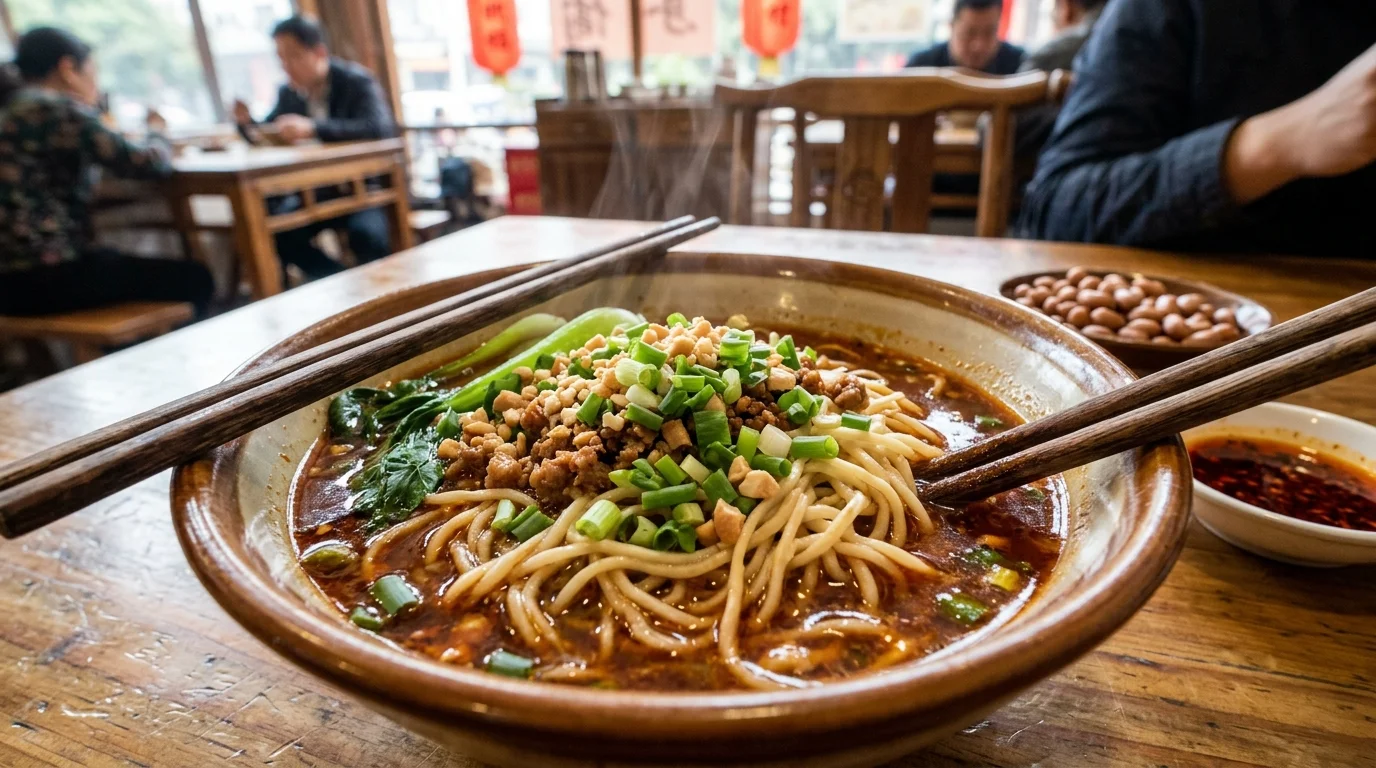
Ingredients
For the Noodles:
- 400g (14 oz) fresh Chinese egg noodles [or dried lo mein, chow mein, or ramen noodles]
- 1 tbsp neutral oil [vegetable or canola — high smoke point required]
- 1 tsp sesame oil [for finishing]
For the Stir-Fry Sauce:
- 3 tbsp soy sauce [low-sodium recommended]
- 2 tbsp oyster sauce [or hoisin sauce for a sweeter profile]
- 1 tbsp dark soy sauce [for colour and depth — regular soy can substitute]
- 1 tbsp sesame oil
- 1 tbsp Shaoxing rice wine [or dry sherry]
- 1 tsp sugar [balances the salt]
- 1 tsp cornstarch [thickens the sauce so it clings to the noodles]
- ¼ tsp white pepper [more traditional than black in Chinese cooking]
For the Aromatics and Protein:
- 300g (10 oz) chicken breast, beef strips, or large shrimp [thinly sliced]
- 4 cloves garlic, minced
- 1 tbsp fresh ginger, finely grated
- 3 spring onions, white and green parts separated and sliced
- 1 tbsp neutral oil
For the Vegetables:
- 2 cups bean sprouts
- 1 cup shiitake or button mushrooms, sliced
- 1 medium carrot, julienned or cut into thin matchsticks
- 1 cup bok choy, roughly chopped [or shredded cabbage]
- 1 medium red bell pepper, thinly sliced
Optional Add-Ins:
- 1 tbsp chili oil or chili crisp, for heat (optional)
- 1 tsp fish sauce, for extra umami depth (optional)
- 1 tbsp peanut butter, for a sesame noodle style sauce (optional)
- Toasted sesame seeds, for garnish (optional)
- Fresh cilantro leaves, for garnish (optional)
- Crispy fried shallots, for garnish (optional)
- 1 soft-boiled egg, halved, for serving (optional)
Step-by-Step Instructions
Step 1: Gather and Prep Your Ingredients
Before the wok goes anywhere near the heat, have every single component prepped, measured, and within arm’s reach. Slice the protein thinly — for chicken and beef, aim for pieces no thicker than ¼ inch so they cook through in under 2 minutes at high heat. Julienne the carrot, slice the mushrooms, separate the spring onion whites from the greens, mince the garlic, and grate the ginger. Chinese noodles in a wok cook at a speed that allows zero time for mid-cook prep — the difference between a perfectly seared protein and a steamed, grey one is whether your vegetables are already in the bowl waiting when the garlic hits the oil. This is the most important step in the whole recipe.
Pro Tip: Slice the chicken or beef while it’s still partially frozen — about 20 minutes in the freezer from fresh. Partially frozen protein holds its shape under the knife and produces clean, even, paper-thin slices that would be impossible to achieve with fully thawed meat. Thin protein slices cook in 90 seconds at high heat. Thick ones cook in 4–5 minutes at the expense of everything else in the pan.
Step 2: Mix the Stir-Fry Sauce
In a small bowl, combine the soy sauce, oyster sauce, dark soy sauce, sesame oil, Shaoxing wine, sugar, cornstarch, and white pepper. Stir well until the cornstarch is fully dissolved and no white powder is visible — undissolved cornstarch clumps in the hot wok and creates starchy lumps in the sauce rather than the glossy, even coating that defines a well-made Chinese noodle dish. Taste the sauce before it goes anywhere near the heat — it should be intensely savoury, slightly sweet, and deeply coloured. It will taste aggressively salty at this stage, which is correct; it dilutes significantly once tossed through the noodles.
Pro Tip: Make the sauce up to 3 days in advance and store it in a sealed jar in the refrigerator — it keeps well and means this recipe comes together in under 15 minutes on any weeknight you need it. Shake well before using since the cornstarch settles to the bottom over time. Having a jar of premixed stir-fry sauce in the refrigerator is the single most practical thing you can do if Chinese noodles appear regularly on your weekly menu.
Step 3: Cook and Prepare the Noodles
Bring a large pot of unsalted — or lightly salted — water to a rolling boil. Add the Chinese egg noodles and cook for 1–2 minutes less than the package directions indicate for fresh noodles, or until just barely tender for dried varieties. The noodles must be slightly undercooked at this stage because they finish cooking in the hot wok with the sauce — overcooked noodles entering the wok will turn mushy and break apart during the stir-fry. Drain immediately and rinse under cold water to stop the cooking and remove excess starch that would otherwise make the noodles clump together in the pan. Toss with a teaspoon of neutral oil after draining.
Pro Tip: Spread the drained, oiled noodles across a large plate or baking sheet rather than leaving them piled in the colander. This prevents them from steaming themselves soft in the residual heat and allows excess moisture to evaporate — dry noodles entering a hot wok toss cleanly and pick up colour. Wet noodles entering a hot wok create steam that drops the pan temperature and prevents the stir-fry from developing the wok breath — the characteristic smoky edge — that separates restaurant Chinese noodles from home versions.
📖 Read More: Indomie Noodles
Step 4: Stir-Fry the Protein and Aromatics
Heat a wok or large heavy skillet over the highest heat your stovetop can produce for 2–3 minutes until smoking. Add 1 tablespoon of neutral oil and swirl to coat. Add the sliced protein in a single layer and do not touch it for 60 seconds — let the direct contact with the hot surface build a sear before moving. Toss once and cook for another 30–45 seconds until just cooked through. Push the protein to the side of the wok and add the spring onion whites, minced garlic, and grated ginger to the centre. Stir vigorously for 30 seconds until fragrant — garlic burns fast at this temperature, so keep it moving. Add the harder vegetables — carrot, mushrooms, and bell pepper — and stir-fry for 90 seconds until just beginning to soften but still holding crunch.
Pro Tip: Never crowd the wok with protein. If your wok is standard size, cook the protein in two batches rather than one — crowding drops the pan temperature immediately and the protein steams in its own liquid rather than searing. Steamed protein in a stir-fry is grey, tough, and flavourless compared to properly seared pieces. Two quick batches take 3 minutes total and make every subsequent element of the dish better.
Step 5: Add the Noodles and Sauce
Add the drained noodles directly into the wok with the protein and vegetables. Pour the stir-fry sauce over everything immediately. Using tongs or two long chopsticks, toss the entire contents of the wok continuously for 60–90 seconds, lifting from the bottom and turning through to distribute the sauce and heat evenly. The sauce should coat every strand of noodle and every piece of protein and vegetable — if it looks tight or thick, add a small splash of water or chicken broth and toss again. Add the bean sprouts and bok choy in the final 30 seconds of tossing — they need only the residual heat to wilt slightly while retaining their crunch. Drizzle sesame oil over the entire wok in the last 10 seconds and toss once more.
Pro Tip: Keep everything moving constantly once the noodles and sauce are in the wok. The cornstarch in the sauce activates quickly at high heat and can catch on the bottom of the pan and burn in patches if the tossing stops. Continuous motion is what produces an evenly coated, glossy result rather than a patchy one with some strands overdressed and some barely touched.
Step 6: Taste, Garnish, and Serve
Pull the wok off the heat and taste a full strand of noodle with a piece of protein before serving. Adjust with a splash more soy if it needs salt, a small drizzle of chili oil if you want heat, or an extra few drops of sesame oil for aroma. Divide the Chinese noodles between warm bowls immediately — do not let them sit in the wok or they continue cooking from residual heat and the noodles go soft. Top each bowl with the reserved spring onion greens, toasted sesame seeds, and fresh cilantro. Add crispy fried shallots for crunch, a halved soft-boiled egg if using, and a drizzle of chili crisp for anyone who wants more heat at the table. Serve immediately while the wok breath is still present and the noodles are glossy and fragrant.
Pro Tip: Warm the serving bowls before plating by filling them briefly with hot water from the tap for 60 seconds, then emptying and drying. Hot Chinese noodles served into cold bowls lose temperature in under a minute — a warm bowl extends the eating window significantly and keeps the flavour at its intended intensity from the first bite to the last.
Cook Time
Total Time: 20 minutes | Prep: 10 minutes | Sauce: 2 minutes | Cook: 8 minutes One wok, one pot — Chinese noodles on the table in 20 minutes.
Servings
Serves 3 to 4 as a main course.
Nutritional Information (approx. per serving — based on 4 servings with chicken)
| Nutrient | Amount |
|---|---|
| Calories | 520 kcal |
| Fat | 18g |
| Saturated Fat | 3g |
| Carbohydrates | 62g |
| Protein | 30g |
| Sugar | 7g |
| Fiber | 4g |
| Sodium | 980mg |
| Vitamin C | 22mg |
| Potassium | 540mg |
| Calcium | 80mg |
Values are approximate and will vary based on ingredients used.
Storage Instructions
Chinese noodles are best eaten immediately — the wok breath, the glossy sauce coating, and the textural contrast between the seared protein and the crisp vegetables are all at their peak the moment the dish leaves the heat. That said, leftovers store and reheat better than most people expect. Transfer any remaining noodles to an airtight container and refrigerate for up to 3 days. The noodles will absorb most of the sauce during storage and look dry when you open the container — this is normal and fully recoverable. Reheat in a wok or skillet over high heat with a splash of water or chicken broth added before the noodles go in, tossing continuously until heated through and the liquid has re-emulsified into a glossy coating again. Add a fresh drizzle of soy sauce and sesame oil after reheating to revive the flavour that fades during refrigeration. Avoid microwaving where possible — it heats the noodles unevenly and produces a soft, slightly gummy texture that the stovetop method avoids entirely. For the protein component, chicken and beef reheat well using the method above; shrimp is the exception — overcooked reheated shrimp becomes rubbery and should be removed before refrigerating and added fresh when reheating if possible. For meal prep, the most practical approach is to prep all the vegetables and mix the sauce up to 3 days in advance, keeping them refrigerated separately, then cook the noodles and stir-fry fresh to order — the 8-minute active cook time makes this entirely practical for any weeknight. Freezing cooked Chinese noodles is not recommended — the noodle texture becomes soft and slightly gummy on thawing and the vegetables lose all their crunch irreversibly.
Suggestions
- Beef and Broccoli Chinese Noodles: Use thinly sliced flank steak or sirloin as the protein and add 2 cups of broccoli florets to the vegetable lineup. Blanch the broccoli for 60 seconds in boiling water before stir-frying so it enters the wok already bright green and just tender — it won’t have enough time to cook through properly in the wok itself. The combination of seared beef, tender broccoli, and a dark, savoury soy sauce over glossy egg noodles is one of the most classically satisfying Chinese noodle builds available.
- Cold Sesame Noodles: Whisk 2 tablespoons of peanut butter, 2 tablespoons of soy sauce, 1 tablespoon of sesame oil, 1 tablespoon of rice vinegar, 1 teaspoon of sugar, and 1 teaspoon of chili oil into a smooth, pourable sauce. Toss through cold, well-drained Chinese noodles and top with julienned cucumber, shredded carrot, sliced spring onion, toasted sesame seeds, and crushed roasted peanuts. Serve cold or at room temperature — this version requires no wok and no heat, making it the most practical summer preparation.
- Vegetarian Chinese Noodles: Skip the protein entirely and double the vegetables — add edamame, thinly sliced snap peas, baby corn, and extra shiitake mushrooms for substance and texture. Increase the oyster sauce to 3 tablespoons or replace it with vegetarian oyster sauce made from mushrooms, which is widely available and produces an identical flavour result. A soft-boiled egg on top provides protein for anyone who wants it without changing the vegetable-forward character of the dish.
- Dan Dan Noodle Style: Brown 200g of ground pork with garlic, ginger, and a tablespoon of doubanjiang — fermented chili bean paste — until the fat is rendered and the pork is fragrant and slightly crispy. Replace the standard stir-fry sauce with a blend of sesame paste, soy sauce, chili oil, Shaoxing wine, and a pinch of Sichuan pepper. Pour the sauce over cooked noodles, top with the spiced pork, and finish with blanched bok choy, crushed peanuts, and sliced spring onion. This version of Chinese noodles is deeply complex — spicy, numbing, rich, and aromatic.
- Shrimp Lo Mein: Use large raw shrimp as the protein, cooking them in the wok for 90 seconds per side until pink and curled before removing and setting aside. Build the vegetable and sauce base as per the main recipe, add the noodles and sauce, toss until coated, then return the shrimp to the wok in the final 30 seconds of tossing. Shrimp lo mein is the fastest version of Chinese noodles in this list — the shrimp cook faster than any other protein and require the least prep time from start to finish.
- Dairy-Free and Gluten-Free Build: Chinese noodles are naturally dairy-free — the only adjustment needed for a fully gluten-free version is to substitute the regular soy sauce with tamari or a certified gluten-free soy sauce, the oyster sauce with a gluten-free oyster sauce alternative, and the noodles with rice noodles or 100% buckwheat soba noodles. Rice noodles need only a brief soak in boiling water rather than boiling — follow the package directions, as overcooking rice noodles turns them to mush far faster than wheat noodles.
- Spicy Chili Crisp Chinese Noodles: Build the standard stir-fry but stir 2 tablespoons of chili crisp directly into the sauce before tossing — not as a finishing drizzle, but as a full sauce component. The crunchy, spiced oil of chili crisp distributes through the noodles differently than liquid chili oil and adds both heat and texture in a way that makes every bite slightly different from the last. Finish with extra chili crisp at the table and a handful of crispy fried shallots for contrasting crunch.
- Weight-Loss Friendly Chinese Noodles: Use shirataki noodles or 50% shirataki and 50% regular egg noodles to significantly reduce the carbohydrate load of the dish. Increase the vegetable ratio — double the bok choy, add extra bean sprouts, and include a full cup of snap peas — to maintain the volume and satiety of the original without the calorie density. Use chicken breast as the protein, keep the sauce quantities the same for full flavour, and skip the optional sesame oil finishing drizzle to reduce the fat content slightly. Each serving comes in under 380 calories on this build while still delivering the complete flavour experience of a proper Chinese noodle stir-fry.
Seasonal Relevance
Chinese noodles work in every season but the build that feels most appropriate shifts naturally across the calendar. From May through September, cold sesame noodles served at room temperature or straight from the refrigerator are the ideal preparation — no wok heat required, quick to assemble, and genuinely refreshing on a warm day with fresh cucumber, carrot, and spring onion adding brightness and crunch. Summer is also when bean sprouts, bok choy, and fresh ginger are at their most vibrant in the market, which makes even the stir-fried version feel lighter and more seasonal than it does in cooler months. From October through February, the wok-cooked versions come fully into their own — the high heat and savoury depth of a proper Chinese noodle stir-fry is exactly what cold weather calls for, and the warming qualities of ginger, garlic, and white pepper feel appropriate in a way they don’t at the height of summer. In autumn, September through November, lean into the dan dan noodle variation with its Sichuan numbing spice and rich ground pork — it is one of the most satisfying cold-weather noodle dishes in any cuisine. Spring, March through May, is when the vegetable-forward version with snap peas, edamame, and fresh greens makes the most sense as the produce quality improves and lighter meals start to feel more appropriate after winter.
Conclusion
Chinese noodles earn their place in the weekly rotation because the technique is fast, the flavour is deep, and the dish adapts to almost anything you have in the refrigerator without losing its essential character. Get the sauce right before anything hits the wok, have every ingredient prepped and within arm’s reach before the heat goes on, and keep the wok temperature high enough to produce real sear on the protein rather than steaming it. Those three things done correctly produce a bowl of Chinese noodles that tastes like it came from somewhere far more deliberate than a home kitchen. Try the cold sesame version in summer, the dan dan build when you want something more complex, and the chili crisp version when you want something genuinely bold. Each one is built on the same foundation and each one delivers something worth making again the following week.
FAQs
Q: What type of noodles are best for Chinese noodles at home? Fresh Chinese egg noodles are the best choice — they have a springy, slightly chewy texture that holds up under wok heat without breaking apart, and they cook in 2–3 minutes from fresh. They’re available refrigerated in the Asian food section of most large grocery stores and in any Asian supermarket. Dried lo mein or chow mein noodles are the best pantry-stable alternative and behave nearly identically once cooked. Dried ramen noodles work well too. Avoid using spaghetti or regular Italian pasta as a substitute — the texture and flavour profile are too different and the finished dish loses its character entirely.
Q: What is the difference between lo mein and chow mein noodles? The noodles themselves are often identical — both are made from wheat flour and egg. The difference is in how they’re prepared and served. Lo mein noodles are cooked, drained, and then tossed through a sauce in the wok with minimal additional cooking — the noodles stay soft and saucy. Chow mein noodles are parboiled and then stir-fried in oil in the wok until some of the strands develop a slightly crispy exterior while the interior stays tender — a textural contrast that defines the dish. Both approaches use similar sauce profiles, but the experience of eating them is meaningfully different.
Q: Why don’t my Chinese noodles taste like restaurant noodles? The most common gap between home Chinese noodles and restaurant versions is wok heat — professional woks reach temperatures that domestic stovetops simply cannot match. The flavour produced by extreme heat on a seasoned wok surface — called wok breath or wok hei — is smoky, slightly charred, and deeply complex in a way that lower temperatures don’t produce. To get as close as possible at home: use the highest heat your stove produces, preheat the wok for at least 3 minutes until it’s visibly smoking before any oil or food goes in, keep the portion size small so the pan temperature doesn’t drop significantly when the food is added, and work in batches if needed.
Q: Can I make Chinese noodles without a wok? Yes — a large, heavy stainless steel skillet or a cast iron pan works as a substitute. The key is choosing the widest, heaviest pan you have — more surface area means more contact between the food and the hot pan, which produces better sear and more even cooking. Avoid non-stick pans, which cannot safely handle the high temperatures required and don’t produce the same surface contact or colour. A heavy skillet on high heat with a good preheat produces a satisfying result even without a wok, though the wok’s rounded sides make tossing and continuous motion significantly easier.
Q: How do I prevent my Chinese noodles from clumping together? Three things prevent noodle clumping: rinsing the cooked noodles thoroughly under cold water to remove surface starch, tossing with a teaspoon of neutral oil immediately after draining, and spreading them flat on a plate or tray rather than letting them sit piled in the colander. Clumping in the wok specifically is caused by noodles that are too wet when they enter the pan — the water creates steam that makes them stick to each other rather than tossing freely. Dry, oiled noodles entering a properly hot wok move freely and coat evenly with every toss.
Q: What can I substitute for Shaoxing rice wine? Dry sherry is the most direct and widely available substitute — it has a similar dry, slightly nutty flavour profile and behaves identically in a hot wok. Dry vermouth works as a second alternative. For a non-alcoholic option, use an equal amount of low-sodium chicken broth with a small splash of rice vinegar to approximate the acidity. The Shaoxing wine adds depth and helps tenderise the protein slightly through its mild acidity — its absence won’t ruin the dish but its presence makes the sauce noticeably more complex.
Q: Can I make Chinese noodles ahead of time for meal prep? The most practical meal prep approach is to prepare all the components separately and assemble to order. Mix the sauce and refrigerate in a jar for up to 3 days. Prep and refrigerate all the vegetables in a container for up to 2 days. Pre-marinate the protein in a tablespoon of soy sauce and a teaspoon of cornstarch for up to 24 hours — this improves the tenderness and flavour of the meat significantly. Cook the noodles fresh each time — it takes 3 minutes and produces a far better result than reheating pre-cooked noodles. With all components prepped, the stir-fry itself takes under 10 minutes from cold components to finished bowl.