The Best Banana Smoothie Recipe: Creamy, Healthy & Ready in 5 Minutes
There’s a reason the banana smoothie has been a kitchen staple for decades — it’s fast, filling, delicious, and endlessly flexible. Whether you’re rushing out the door on a weekday morning or looking for a post-workout recovery drink, a well-made banana smoothie delivers everything you need in one tall glass.
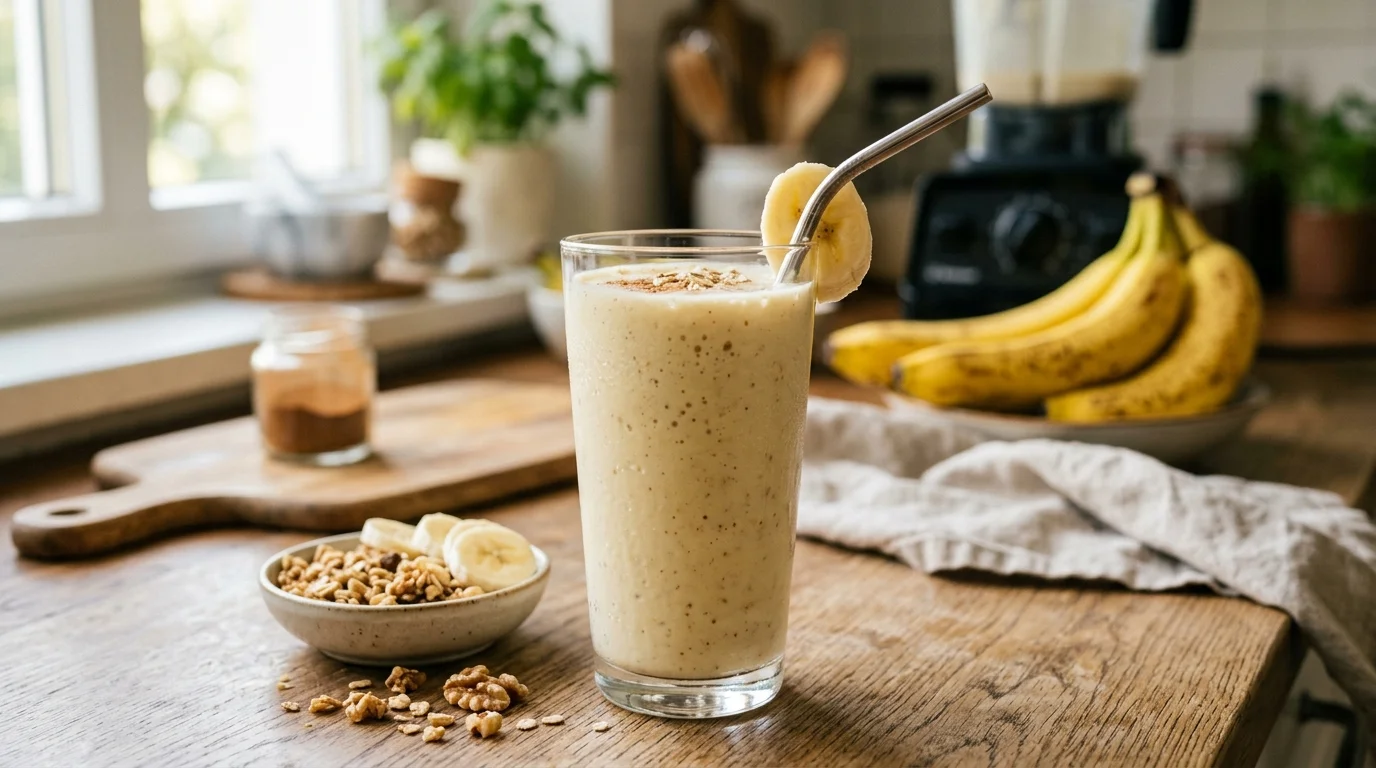
This banana smoothie recipe is specifically designed to be thick and creamy (not watery), naturally sweet without added sugar, and completely customizable to fit your dietary goals. In under five minutes, with ingredients you probably already have, you can blend something that genuinely tastes indulgent while working hard for your health.
In this article, you’ll find the perfect base recipe, expert tips, creative variations, a nutrition breakdown, storage advice, and honest answers to the most common banana smoothie questions. Whether you’re a complete beginner or a seasoned blender enthusiast, there’s something here for you.
What Is a Banana Smoothie and Why Is It So Popular?
A banana smoothie is a blended drink made primarily from ripe bananas combined with a liquid base — such as milk, almond milk, oat milk, or yogurt — and optionally enriched with fruits, protein, seeds, or spices. It sits at the intersection of flavor and function: naturally creamy due to the banana’s starchy texture, and naturally sweet thanks to the fruit’s ripening sugars.
Bananas are one of the most consumed fruits on the planet, and for good reason. They are available year-round, affordable, easy to store (and freeze), and pair beautifully with dozens of other ingredients. When blended, they create an almost ice-cream-like texture that forms the backbone of countless smoothie recipes.
The popularity of the banana smoothie also comes from its versatility. It functions equally well as a breakfast meal replacement, a pre-gym energy boost, an afternoon snack, or a dessert-style treat. You can keep it simple with just three ingredients or build it into a nutrient-dense powerhouse with protein powder, nut butter, seeds, and superfoods.
The Role of Ripeness
One of the most important — and most overlooked — factors in a great banana smoothie is banana ripeness. A banana that is perfectly ripe (yellow with a few brown spots) contains more sugar than an underripe one, which translates to a naturally sweeter, more flavorful smoothie. Overripe bananas (mostly brown) are even sweeter and make an ideal choice if you prefer to skip sweeteners entirely.
Underripe bananas, by contrast, are starchier and less sweet, producing a smoothie that tastes bland and slightly chalky. Always choose ripe or overripe bananas for the best results.
Ingredients: What You Need for the Perfect Banana Smoothie
The beauty of this recipe lies in its simplicity. Here are the core ingredients, along with upgrade options for each.
Core Ingredients (Serves 1–2)
| Ingredient | Quantity | Purpose |
|---|---|---|
| Ripe banana (frozen recommended) | 1 large | Creaminess, natural sweetness, texture |
| Milk of choice | 1 cup (240ml) | Liquid base, adjustable for thickness |
| Greek yogurt | ½ cup | Protein, extra creaminess, tang |
| Honey or maple syrup | 1 tsp (optional) | Additional sweetness if needed |
| Vanilla extract | ½ tsp | Depth of flavor |
| Ice cubes | 4–6 (if banana isn’t frozen) | Chill and thickness |
Ingredient Comparison: Fresh vs. Frozen Banana
| Factor | Fresh Banana | Frozen Banana |
|---|---|---|
| Texture | Thinner, lighter | Thick, ice-cream-like |
| Temperature | Room temp (needs ice) | Naturally cold |
| Flavor | Lighter sweetness | Intensified sweetness |
| Best for | Quick, simple smoothies | Thick, dessert-style smoothies |
| Prep time | Instant | Requires pre-freezing |
Pro Tip: Peel bananas when they reach peak ripeness, break them into chunks, and freeze in a zip-lock bag. You’ll always have the perfect smoothie base ready to go.
Milk Options Compared
| Milk Type | Flavor Profile | Best For |
|---|---|---|
| Whole dairy milk | Rich, neutral | Classic, kid-friendly |
| Almond milk | Light, slightly nutty | Lower-calorie version |
| Oat milk | Creamy, slightly sweet | Dairy-free and thick |
| Coconut milk | Tropical, rich | Tropical variations |
| Soy milk | Neutral, protein-rich | High-protein version |
Step-by-Step Instructions: How to Make a Banana Smoothie
Follow these simple steps for a perfectly smooth, lump-free result every time.
Step 1: Prepare Your Banana If using a frozen banana, remove it from the freezer 2–3 minutes before blending to soften slightly. If using a fresh banana, peel and break into 3–4 chunks. Frozen bananas produce a much thicker, creamier result.
Step 2: Add Liquid First Always pour your milk or liquid base into the blender before the other ingredients. This protects your blender’s motor and ensures smoother blending by creating a vortex that pulls the solid ingredients down.
Step 3: Add Remaining Ingredients Add the banana chunks, Greek yogurt, vanilla extract, and honey (if using). If using a fresh banana, add your ice cubes now.
Step 4: Blend Start on a low speed for 10 seconds to break down the banana, then increase to high and blend for 45–60 seconds until completely smooth with no lumps. Stop and scrape down the sides if needed.
Step 5: Check Consistency and Taste Pour a small amount into a spoon and taste. Too thick? Add a splash more milk and blend for 10 more seconds. Too thin? Add another few chunks of frozen banana or a handful of ice. Not sweet enough? Add a drizzle of honey.
Step 6: Serve Immediately Pour into a chilled glass and serve right away. Smoothies are best consumed fresh as they begin to separate and oxidize within 20–30 minutes.
Health Benefits of a Banana Smoothie
A homemade banana smoothie is far more than a tasty drink — it’s a concentrated source of essential nutrients that support multiple areas of your health.
Rich in Potassium for Heart and Muscle Health
Bananas are famously high in potassium, a mineral that regulates blood pressure, supports proper muscle contraction, and maintains fluid balance in the body. One medium banana provides approximately 422mg of potassium — about 9% of your daily recommended intake. For athletes or active individuals, this makes a post-workout banana smoothie especially valuable.
Natural Energy from Complex Carbohydrates
Unlike sugary energy drinks, the carbohydrates in ripe bananas come packaged with fiber, which slows digestion and provides a more stable, sustained release of energy. This makes a banana smoothie an excellent pre-workout drink or morning energy booster that won’t leave you crashing an hour later.
Supports Digestive Health
The prebiotic fiber found in bananas (particularly fructooligosaccharides) feeds beneficial gut bacteria, supporting a healthy digestive system. When paired with Greek yogurt’s live probiotic cultures, a banana smoothie becomes a genuinely gut-friendly beverage.
Boosts Mood and Sleep Quality
Bananas contain tryptophan, an amino acid that the body converts into serotonin — a neurotransmitter associated with mood regulation and feelings of well-being. They also contain vitamin B6, which plays a key role in this conversion process. A banana smoothie in the evening may even support better sleep quality.
High in Vitamins and Antioxidants
A single banana provides meaningful amounts of vitamin C, vitamin B6, magnesium, and manganese. Combined with Greek yogurt’s calcium and protein, a banana smoothie supports bone health, immune function, and muscle repair all at once.
Banana Smoothie Variations: 7 Creative Ways to Mix It Up
Once you’ve mastered the base recipe, the variations are virtually endless. Here are seven tried-and-tested options worth blending.
1. Peanut Butter Banana Smoothie
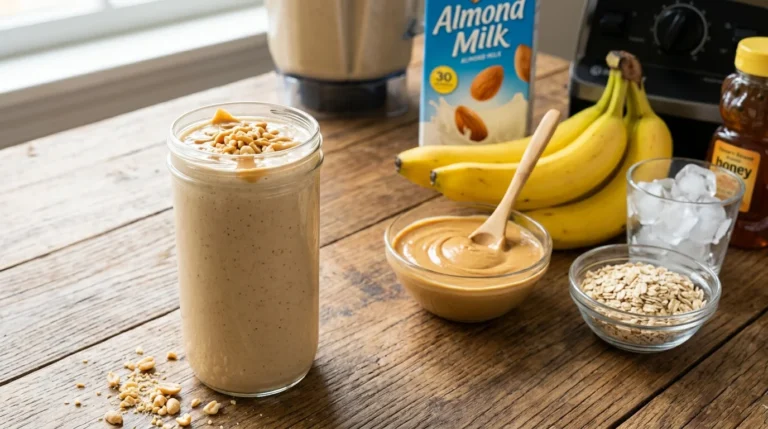
Add 2 tablespoons of natural peanut butter to the base recipe. The result is a rich, protein-packed smoothie with a satisfying nutty depth — almost like a liquid peanut butter cup. This is one of the best options for a post-workout recovery drink or a filling meal replacement.
2. Chocolate Banana Smoothie
Blend in 1–2 tablespoons of unsweetened cocoa powder (or raw cacao) and a drizzle of honey. The combination of chocolate and banana is a classic for a reason — it tastes indulgent while delivering real nutritional value from the antioxidants in cacao.
3. Tropical Banana Smoothie
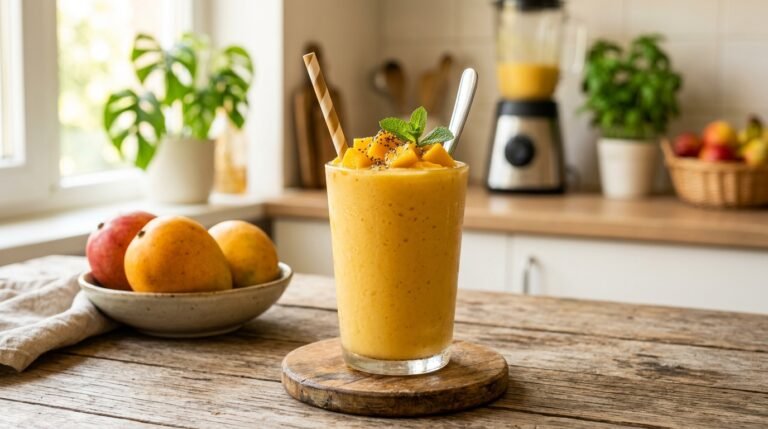
Combine banana with ½ cup of frozen mango, a splash of coconut milk, and a squeeze of lime juice. The result is a vibrant, vacation-worthy drink that works beautifully for summer mornings.
📖 Read More: Mango Smoothie Recipe
4. Strawberry Banana Smoothie
This is arguably the most beloved fruit smoothie combination of all time. Add ½ cup of fresh or frozen strawberries to the base recipe. The natural tartness of the strawberries perfectly balances the richness of the banana, creating a beautifully pink, fruity drink.
📖 Read More: Strawberry Smoothie Recipe
5. Banana Oat Smoothie
Add ¼ cup of rolled oats to the blender before processing. Oats dramatically increase the fiber and complex carbohydrate content, making this variation a genuinely filling breakfast option that will keep you satisfied for hours.
6. Banana Date Smoothie
Replace honey with 2–3 pitted Medjool dates for a deeply caramel-like sweetness that is entirely whole-food based. Dates also add extra fiber and minerals, making this variation ideal for those following a clean-eating or Whole30-adjacent approach.
7. High-Protein Banana Smoothie
Add one scoop of vanilla or unflavored protein powder (whey, pea, or hemp) along with a tablespoon of chia seeds or hemp hearts. This version delivers 25–35g of protein per serving and is specifically designed to support muscle recovery and appetite control.
📖 Read More: Smoothie Bowl Recipes
Nutrition Breakdown: What’s Actually in Your Banana Smoothie?
Here’s the approximate nutritional profile for the base banana smoothie recipe (1 large serving, made with whole milk and Greek yogurt, no added sweetener).
| Nutrient | Amount per Serving | % Daily Value* |
|---|---|---|
| Calories | 280–320 kcal | — |
| Total Carbohydrates | 48g | 17% |
| Dietary Fiber | 4g | 14% |
| Natural Sugars | 30g | — |
| Protein | 14g | 28% |
| Total Fat | 5g | 6% |
| Saturated Fat | 2g | 10% |
| Calcium | 320mg | 32% |
| Potassium | 620mg | 13% |
| Vitamin C | 12mg | 13% |
| Vitamin B6 | 0.6mg | 35% |
| Magnesium | 52mg | 12% |
*Percent Daily Values based on a 2,000-calorie diet. Values are approximate and vary based on specific ingredients and brands used.
Calorie Comparison by Variation
| Variation | Approx. Calories | Protein | Key Benefit |
|---|---|---|---|
| Basic Banana Smoothie | 280–320 kcal | 14g | Balanced, versatile |
| Peanut Butter Banana | 420–450 kcal | 22g | High protein, filling |
| Chocolate Banana | 310–340 kcal | 14g | Antioxidant-rich |
| Tropical Banana Mango | 290–320 kcal | 12g | Vitamin C boost |
| Banana Oat Smoothie | 380–410 kcal | 16g | High fiber, meal-worthy |
| High-Protein Banana | 380–420 kcal | 30–35g | Muscle recovery |
Storage and Meal Prep Tips
One of the most common questions about banana smoothies is whether they can be prepared in advance. The short answer is yes — with a few smart strategies.
Can You Make a Banana Smoothie Ahead of Time?
A fully blended banana smoothie can be stored in a sealed glass jar or airtight container in the refrigerator for up to 24 hours. Shake or stir well before drinking, as natural separation will occur. The texture and flavor are best within the first few hours.
For storage longer than 24 hours, pour the blended smoothie into ice cube trays or freezer-safe bags and freeze. Frozen smoothie cubes can be blended again with a splash of milk for an instant, fresh-tasting result. They keep well for up to 3 months in the freezer.
The Smoothie Pack Method (Best for Meal Prep)
Rather than storing fully blended smoothies, the smoothie pack method produces far superior results:
- Portion frozen banana chunks, any add-ins (berries, spinach, seeds), and dry ingredients (protein powder, spices) into individual zip-lock bags or reusable silicone bags.
- Label each bag with the date and contents.
- Store in the freezer for up to 3 months.
- Each morning, simply empty a bag into the blender, add your liquid, and blend. Done in 60 seconds.
This method preserves texture, flavor, and nutrition far better than storing pre-blended smoothies. It also means you can prep a full week of breakfasts in about 15 minutes on a Sunday.
Tips for Keeping Smoothies Fresh Longer
- Store in a glass jar filled to the brim to minimize air exposure (oxidation is what causes browning and flavor loss).
- Add a squeeze of lemon juice before storing — the vitamin C acts as a natural antioxidant that slows browning.
- Keep refrigerated at or below 4°C (40°F).
- Never refreeze a smoothie that has been fully thawed.
Common Mistakes to Avoid When Making a Banana Smoothie
Even a simple recipe has pitfalls. Avoid these errors for a consistently great result.
Mistake 1: Using Underripe Bananas An underripe banana (green or pale yellow) is starchy, not sweet, and produces a muted, slightly bitter smoothie. Always wait until your banana is fully yellow with brown spots. This is when the starches have fully converted to natural sugars.
Mistake 2: Adding Liquid After Solids Putting your banana and ice in first, then pouring liquid on top, makes it much harder for the blender to create a smooth vortex. Always add liquid first to protect the motor and ensure even blending.
Mistake 3: Over-Blending Blending for more than 90 seconds on high speed can actually heat the smoothie slightly (from friction), melting the frozen ingredients and producing a thinner texture. Blend just until smooth — usually 45–60 seconds is enough.
Mistake 4: Skipping the Freeze If you’ve been making banana smoothies with fresh bananas and lots of ice, try switching to frozen bananas. The difference in texture is significant — frozen bananas produce a genuinely thick, creamy result, while fresh banana plus ice often feels diluted and watery.
Mistake 5: Not Tasting Before Serving Bananas vary in sweetness significantly based on ripeness and variety. Always taste your smoothie before serving and adjust — a little extra honey, a splash more milk, or a pinch of cinnamon can transform an average result into something exceptional.
Mistake 6: Ignoring Blender Quality If your blender struggles to fully smooth the banana and ice, you’ll end up with a lumpy, uneven texture. A high-powered blender (at least 600W) makes a noticeable difference. If you only have a basic blender, cut ingredients into smaller chunks before blending.
Mistake 7: Using Too Much Liquid Smoothies should be thick enough to coat the back of a spoon. Adding too much milk upfront leads to a thin, juice-like consistency that isn’t satisfying. Start with ¾ of the liquid called for, blend, and add more only if needed.
Conclusion
The banana smoothie recipe is one of those rare kitchen creations that manages to be incredibly simple and incredibly rewarding at the same time. It takes less than five minutes, requires minimal cleanup, costs a fraction of what you’d spend at a juice bar, and delivers genuine nutritional value in every sip.
The keys to success come down to a few consistent principles: use ripe or overripe bananas (frozen for best texture), add your liquid first, blend at high speed for 45–60 seconds, and always taste before serving. Master those fundamentals and every banana smoothie you make will be thick, creamy, and naturally delicious.
From there, the variations are limited only by your imagination. Chocolate, peanut butter, tropical fruit, oats, protein powder — the banana smoothie adapts to almost any flavor direction and any nutritional goal. It’s the most versatile starting point in the smoothie world.
Whether you’re blending for a quick breakfast, a workout boost, or a wholesome afternoon treat, this recipe will deliver every single time. Bookmark it, share it with someone you love, and blend your way to a healthier, more delicious day.
📖 Read More: Strawberry Banana Smoothie
📖 Read More: Green Smoothie Recipes
📖 Read More: 15 Smoothie Recipes Healthy
Frequently Asked Questions (FAQ)
1. Can I make a banana smoothie without milk?
Absolutely. Milk is just one option for the liquid base. You can substitute it with water (expect a thinner, less rich texture), coconut water (adds a subtle tropical note and extra electrolytes), fruit juice (adds sweetness and flavor), or dairy-free alternatives like oat milk, almond milk, or soy milk. Each option slightly changes the flavor and nutritional profile, so choose based on your preferences and dietary needs.
2. Are banana smoothies good for weight loss?
A banana smoothie can absolutely fit into a weight-loss plan, provided it’s prepared thoughtfully. The fiber and protein in a banana smoothie made with Greek yogurt help promote satiety, meaning you feel full for longer and are less likely to snack between meals. Be mindful of total calorie content — avoid adding excessive amounts of peanut butter, full-fat coconut milk, or multiple sweeteners if calorie control is a priority. A basic banana smoothie (280–320 kcal) is a very reasonable breakfast or snack.
3. How do I make my banana smoothie thicker?
The single most effective way to thicken a banana smoothie is to use a frozen banana instead of a fresh one. Other effective methods include adding Greek yogurt (which adds protein and creaminess), a handful of rolled oats, a tablespoon of chia seeds (which absorb liquid and swell), avocado (adds neutral creaminess), or frozen cauliflower florets (you won’t taste them, but they add remarkable thickness).
4. Can I add spinach or vegetables to a banana smoothie?
Yes, and it’s highly recommended. A large handful of fresh baby spinach blends completely invisibly into a banana smoothie — the banana flavor is strong enough to mask any green taste entirely, while you still gain the nutritional benefits of iron, folate, vitamin K, and fiber. Frozen cauliflower, zucchini (frozen), and pumpkin puree are other vegetables that blend seamlessly into banana smoothies.
5. How ripe should my banana be for a smoothie?
The riper, the better — for both flavor and nutrition. A banana with a bright yellow skin and a few brown spots is at peak ripeness: sweet, aromatic, and easy to blend. Bananas that are mostly or entirely brown are overripe and are actually the sweetest option of all — they require no added sweetener and are perfect for smoothies. Save underripe (green or pale yellow) bananas for cooking applications where you want less sweetness.
6. Can I use banana smoothie as a meal replacement?
Yes, with the right adjustments. A basic banana smoothie (banana, milk, and yogurt) is satisfying but not quite substantial enough as a sole meal for most people. To make it a genuine meal replacement, boost the protein content with a scoop of protein powder or additional Greek yogurt, add healthy fats with a tablespoon of nut butter or chia seeds, and increase the fiber with oats or ground flaxseed. This brings the nutritional profile much closer to a complete, balanced meal.
7. Why does my banana smoothie turn brown after blending?
Browning is caused by enzymatic oxidation — the same process that causes cut apples or avocados to turn brown when exposed to air. It’s a natural chemical reaction and doesn’t indicate spoilage or safety issues. To slow browning, add a small squeeze of lemon or orange juice (the vitamin C inhibits oxidation), store in an airtight container with minimal air space, and consume as soon as possible after blending. A smoothie that has turned slightly brown still tastes perfectly fine — it’s purely a visual change.
8. Is it okay to make a banana smoothie every day?
For most people, yes — a daily banana smoothie is a healthy and nutritious habit. Bananas provide a wide range of vitamins, minerals, and fiber, and when combined with protein-rich yogurt and other wholesome add-ins, a banana smoothie is a genuinely balanced food choice. If you are managing blood sugar levels or are diabetic, speak with your healthcare provider about portion sizes, as bananas are a moderate-glycemic fruit. Rotating different fruits and proteins also ensures nutritional variety.
9. Can I make a banana smoothie without a blender?
If you don’t have a blender, a food processor works reasonably well for small quantities, though the result may be slightly less smooth. An immersion (stick) blender works in a tall, narrow container — mash the banana thoroughly first for best results. Without any blending device, you can mash a very ripe banana with a fork until smooth, then whisk it vigorously into milk and yogurt — this produces a thinner, chunkier result but is still enjoyable.
10. What is the best time of day to drink a banana smoothie?
A banana smoothie is genuinely versatile in terms of timing. In the morning, it provides quick-releasing and sustained energy to start the day. Before a workout (30–60 minutes prior), the carbohydrates fuel performance. After a workout, the combination of carbohydrates and protein supports muscle recovery. In the afternoon, it fights the typical energy slump and prevents overeating before dinner. Even in the evening, the tryptophan in bananas may support mood and sleep quality. The “best” time is simply whenever it fits your schedule and nutritional goals.