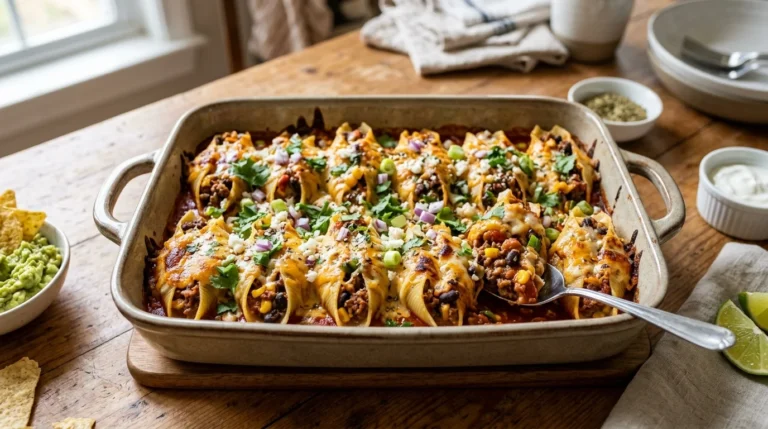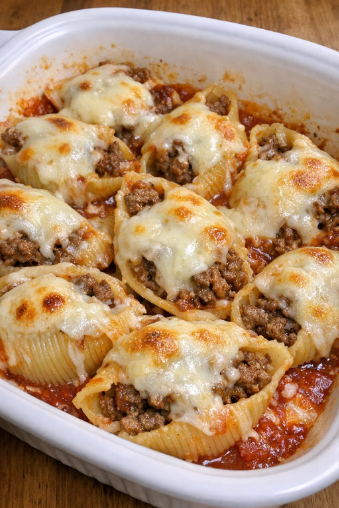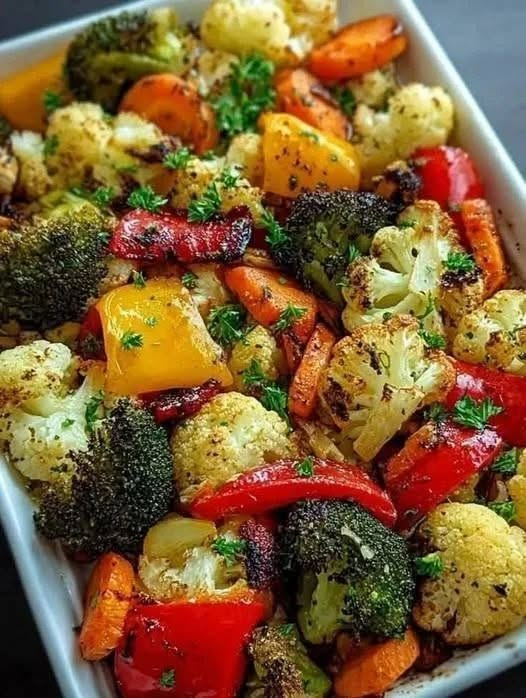
Alfredo Stuffed Shells Creamy, Cheesy & Ready in 55 Minutes
Alfredo stuffed shells are the baked pasta dish that earns a permanent place in your dinner rotation the first time you make it. Jumbo shells packed with a rich ricotta and cheese filling, nestled into a homemade Alfredo sauce that’s thick, buttery, and deeply savoury, then blanketed in melted mozzarella and baked until golden and bubbling this is comfort food at its most complete.
It works as a weekend family dinner that impresses without demanding professional skills, a make-ahead dish that bakes fresh when guests arrive, and a meal prep project that produces leftovers worth genuinely looking forward to the next day. The Alfredo sauce is the centrepiece — made from scratch in under 10 minutes, it elevates every element of the dish beyond anything a jarred version could deliver. No complicated steps — just pure alfredo stuffed shells satisfaction, golden and ready from the oven.
Ingredients
For the Jumbo Pasta Shells:
- 22–24 jumbo pasta shells [cook 3 extra in case of splitting]
- 1 tbsp fine salt [for the pasta water]
- 1 tsp olive oil [to prevent sticking after draining]
For the Ricotta Filling:
- 2 cups (500g) whole milk ricotta cheese [room temperature]
- 1 cup (100g) freshly grated Parmesan cheese
- 1½ cups (150g) shredded mozzarella cheese, divided
- 2 large eggs
- 3 cloves garlic, minced
- 2 tbsp fresh flat-leaf parsley, finely chopped
- 1 tsp dried Italian seasoning
- ½ tsp fine salt
- ¼ tsp black pepper
- ¼ tsp ground nutmeg [the classic Alfredo spice — do not skip]
For the Homemade Alfredo Sauce:
- 4 tbsp unsalted butter
- 4 cloves garlic, minced
- 2 cups (480ml) heavy cream
- 1½ cups (150g) freshly grated Parmesan cheese
- ½ tsp fine salt
- ¼ tsp white pepper
- ¼ tsp ground nutmeg
- Pinch of cayenne pepper [optional — adds warmth without heat]
For the Topping:
- 1 cup (100g) shredded mozzarella cheese
- ¼ cup (25g) freshly grated Parmesan cheese
- 1 tsp dried parsley or Italian seasoning [for the top]
- Fresh parsley or basil, for garnish after baking
Optional Add-Ins:
- 2 cups cooked shredded chicken — folded into the filling (optional)
- 1 cup frozen spinach, thawed and squeezed completely dry (optional)
- ½ cup sun-dried tomatoes, finely chopped (optional)
- 4 strips crispy bacon, crumbled into the filling (optional)
- ½ cup cream cheese, softened — for extra richness (optional)
Step-by-Step Instructions
Step 1: Gather and Prep Your Ingredients
Pull everything out and bring the ricotta and eggs to room temperature at least 20 minutes before starting — cold ricotta produces a filling that doesn’t combine smoothly and leaves a slightly grainy texture in the baked shells. Mince the garlic for both the filling and the Alfredo sauce separately — have the two portions ready in individual bowls so nothing gets confused mid-cook. Grate all the Parmesan fresh from the block rather than using pre-grated — pre-grated Parmesan contains anti-caking agents that prevent it from melting smoothly into the Alfredo sauce and produce a gritty, slightly separated result instead of the glossy, cohesive sauce the dish requires.
Pro Tip: Freshly grated Parmesan is the single most important quality decision in any alfredo stuffed shells recipe. The difference between a sauce made with fresh-grated and one made with pre-grated is visible and unmistakable — fresh Parmesan melts into a silky, cohesive sauce while the pre-grated version produces a grainy, slightly curdled texture that no amount of extra cream or heat can correct. Buy a wedge and grate it yourself — it takes 3 minutes and makes the entire dish noticeably better.
Step 2: Cook the Pasta Shells
Bring a large pot of generously salted water to a rolling boil. Add the jumbo shells and cook for exactly 2 minutes less than the package directions — they should be pliable and bending without splitting, but still firm enough to hold their shape during filling. Al dente shells finish cooking in the oven without becoming soft or collapsing under the weight of the filling and sauce. Drain carefully in a colander and rinse immediately under cold water to stop the cooking completely. Drizzle with a teaspoon of olive oil and toss gently to prevent sticking. Spread in a single layer on a lightly oiled baking sheet while you prepare the filling — never stack them, as they will bond together and tear when separated.
Pro Tip: Handle the hot, freshly cooked shells with tongs rather than a spoon — tongs give you controlled grip on the rim of each shell without applying pressure to the body, which is where splitting happens. A slotted spoon applied to the base of a soft shell will push through the pasta wall consistently. Tongs along the outer edges of the shell rim lift it cleanly every time without any breakage.
Step 3: Make the Homemade Alfredo Sauce
Melt the butter in a wide saucepan over medium heat — do not rush this step with high heat, which browns the butter and changes the flavour of the sauce in the wrong direction. Add the minced garlic and stir gently for 60 seconds until fragrant and pale golden. Pour in the heavy cream and bring to a gentle simmer — never a boil, which causes cream sauces to break and separate. Stir occasionally and simmer for 3–4 minutes until the cream has reduced slightly and coats the back of a spoon. Remove the pan from the heat completely before adding the Parmesan — adding cheese to cream still over direct heat causes it to clump rather than melt. Stir the Parmesan in gradually, a handful at a time, until the sauce is completely smooth, thick, and glossy. Season with salt, white pepper, nutmeg, and cayenne if using.
Pro Tip: The nutmeg in an Alfredo sauce is non-negotiable — it’s the spice that has been used in cream and cheese sauces since classical French cooking and it provides a warm, slightly earthy background note that makes the sauce taste more complex and restaurant-quality than one made without it. The quantity used — ¼ teaspoon — is not enough to taste distinctly of nutmeg, only enough to make the sauce taste noticeably more developed than one that omits it entirely.
📖 Read More: Seafood Stuffed Shells
Step 4: Make the Ricotta Filling
In a large bowl, combine the room-temperature ricotta, grated Parmesan, 1 cup of the shredded mozzarella, eggs, minced garlic, parsley, Italian seasoning, salt, pepper, and nutmeg. Mix with a spatula until completely smooth and uniform — every ingredient should be fully incorporated with no pockets of unmixed ricotta or egg visible. Taste the filling carefully before it goes into the shells — it should be well-seasoned, slightly rich from the cheese, and have a subtle garlic and herb presence throughout. If it tastes flat, add an extra pinch of salt and a small amount of extra Parmesan — the filling gets slightly diluted by the pasta shell and the Alfredo sauce during baking and needs to taste a fraction bolder raw than you want it to taste cooked.
Pro Tip: If adding optional shredded chicken, fold it into the finished ricotta mixture gently rather than mixing vigorously — large pieces of chicken distributed through the filling produce a more satisfying, textural result than shredded chicken broken down into fine fibres by overmixing. The chicken should be identifiable as distinct pieces within each spoonful of filling rather than homogenised into the cheese base.
Step 5: Fill the Shells and Assemble the Dish
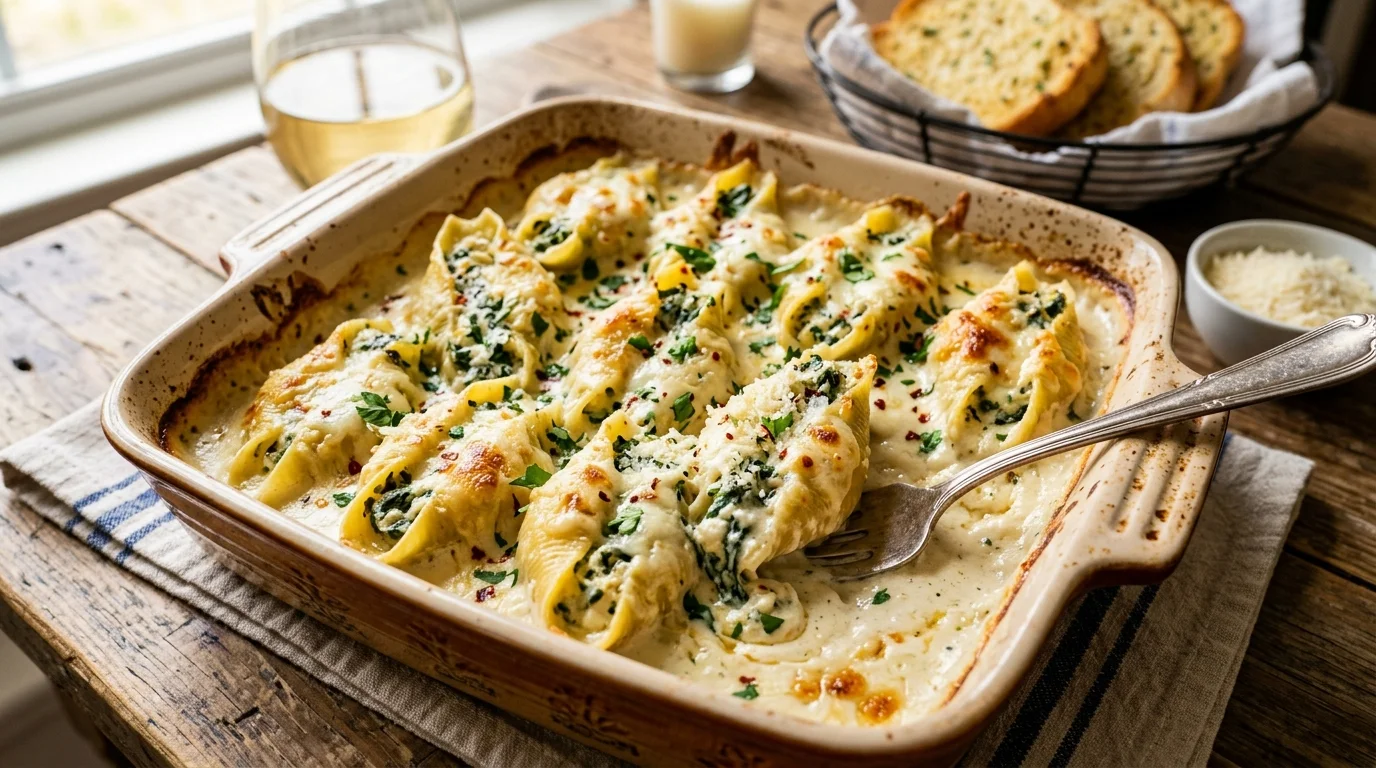
Preheat the oven to 375°F (190°C). Pour approximately two-thirds of the Alfredo sauce into the base of a 9×13-inch baking dish and spread evenly — the sauce base prevents sticking and keeps the underside of every shell moist and flavourful throughout the entire bake time. Using a small spoon or a piping bag, fill each cooled shell with approximately 2 tablespoons of the ricotta mixture. The shell should be generously filled — mounded slightly above the opening — without the filling spilling over the sides. Arrange the filled shells open-side up in the sauced dish in a single layer, pressed gently together so they support each other upright. Spoon the remaining Alfredo sauce over the tops of the shells. Scatter the remaining mozzarella and Parmesan evenly across the entire surface and dust lightly with dried parsley.
Pro Tip: Press the filled shells against each other snugly in the baking dish rather than leaving space between them. Shells with space around them tip over during baking and the filling slides out into the sauce rather than staying inside the shell. A tight, snug arrangement holds every shell upright through the entire bake and produces a finished dish where every shell is intact and perfectly filled when it reaches the table.
Step 6: Bake, Rest, and Serve
Cover the baking dish tightly with aluminium foil and bake at 375°F for 22–25 minutes — the foil traps steam that heats the filling through gently and prevents the pasta from drying out. Remove the foil and bake for a further 10–12 minutes until the cheese topping is fully melted, bubbling at the edges, and starting to turn golden in spots. For an extra-golden, slightly crispy cheese top, switch the oven to broil for the final 2–3 minutes and watch closely — the cheese moves from golden to burnt in under a minute under a broiler. Remove from the oven and rest for 5 full minutes before serving — the resting time allows the Alfredo sauce to thicken slightly from its bubbling state and the filling to set enough that the shells lift cleanly from the dish. Scatter fresh parsley across the top and serve immediately.
Pro Tip: Serve the alfredo stuffed shells from the baking dish at the table rather than plating individually in the kitchen — the dish stays hotter longer in the ceramic or glass baking vessel than it does spread across individual plates, and the visual presentation of a full dish of golden, bubbling shells arriving at the table is genuinely impressive without any additional plating effort.
Cook Time
Total Time: 55 minutes | Prep: 15 minutes | Sauce: 10 minutes | Bake: 35 minutes | Rest: 5 minutes One pot, one bowl, one baking dish — alfredo stuffed shells on the table in under an hour.
Servings
Serves 4–6 — approximately 4 shells per person as a generous main course.
Nutritional Information (approx. per serving — 4 shells with Alfredo sauce and cheese topping, based on 5 servings)
| Nutrient | Amount |
|---|---|
| Calories | 680 kcal |
| Fat | 42g |
| Saturated Fat | 25g |
| Carbohydrates | 44g |
| Protein | 30g |
| Sugar | 4g |
| Fiber | 2g |
| Sodium | 820mg |
| Vitamin C | 4mg |
| Potassium | 280mg |
| Calcium | 520mg |
Values are approximate and will vary based on ingredients used.
Storage Instructions
Alfredo stuffed shells store well and reheat better than most cream-sauce pasta dishes because the ricotta filling and the baked cheese topping provide structural stability that keeps the shells intact through the refrigeration and reheating process. Cover the baking dish tightly with plastic wrap or transfer to an airtight container and refrigerate for up to 3 days. The Alfredo sauce thickens considerably as it cools and the shells absorb some of it overnight — this is expected and recoverable during reheating. To reheat, add a splash of heavy cream or whole milk over the top of the refrigerated shells before covering with foil and warming at 325°F for 18–20 minutes until heated through. The added liquid loosens the thickened sauce and restores its creamy consistency without overcooking the filling or toughening the pasta. Individual portions reheat well in the microwave covered loosely with a damp paper towel — heat in 60-second intervals, adding a small drizzle of cream between intervals if the sauce looks dry. For freezing, assemble the dish completely before baking — fill the shells, add them to the sauced dish, and top with cheese — then cover with foil and plastic wrap and freeze for up to 2 months. Bake from frozen, covered, at 375°F for 50–55 minutes, then uncover for the final 12–15 minutes. Never freeze already-baked alfredo stuffed shells — the cream sauce separates on thawing and the pasta texture becomes soft and unpleasant. The unbaked freeze method consistently produces the best result.
Suggestions
- Chicken Alfredo Stuffed Shells: Fold 2 cups of cooked, shredded rotisserie chicken into the ricotta filling before stuffing the shells. This is the most popular and most filling variation — the chicken adds substantial protein and a savoury depth that makes the dish genuinely dinner-party worthy while requiring no additional cooking beyond shredding already-prepared chicken. Season the chicken lightly with garlic powder and Italian seasoning before folding in for the most integrated flavour result.
- Spinach and Ricotta Alfredo Shells: Add 1 cup of frozen spinach — thawed and squeezed completely dry between paper towels until no moisture remains — to the ricotta filling. The spinach adds colour, iron, and a mild earthy note that works well against the rich Alfredo base. Squeeze the spinach thoroughly — any residual moisture makes the filling loose and watery during baking, which causes the shells to slide in the sauce rather than holding their shape.
- Bacon and Mushroom Alfredo Shells: Cook 4 strips of thin-cut bacon until crispy, crumble, and fold into the ricotta filling with ½ cup of sautéed cremini mushrooms cooked in the bacon fat until golden and collapsed. The bacon adds a smoky, salty richness and the mushrooms add an earthy depth that transforms the Alfredo stuffed shells from purely indulgent to complex and genuinely layered in flavour. This is the cold-weather version — rich, warming, and deeply satisfying.
- Sun-Dried Tomato Alfredo Shells: Add ¼ cup of finely chopped oil-packed sun-dried tomatoes to the ricotta filling and stir 2 tablespoons of sun-dried tomato oil into the Alfredo sauce alongside the butter. The concentrated sweetness and acidity of the sun-dried tomatoes cut through the richness of the Alfredo sauce and filling in a way that makes the whole dish taste brighter and more balanced than the plain version. Add fresh basil torn over the finished dish rather than parsley for the most complementary garnish.
- Four-Cheese Alfredo Stuffed Shells: Add ½ cup of shredded fontina and ¼ cup of crumbled gorgonzola to the ricotta and mozzarella base in the filling. The fontina melts beautifully and adds a mild, buttery character; the gorgonzola adds a sharp, slightly funky note that contrasts the sweetness of the Alfredo sauce in the most interesting way. Use this version when serving guests who appreciate more complex flavour — it’s the most sophisticated build in the list and the one that tastes most different from a standard stuffed shell.
- Vegetable Alfredo Stuffed Shells: Add ½ cup of finely diced zucchini and ½ cup of roasted red pepper, both patted thoroughly dry, to the ricotta filling alongside the standard cheese and herb base. Roasting the peppers caramelises their natural sugars and removes excess moisture that would otherwise make the filling wet during baking. This version is fully vegetarian, nutritionally more complete than the plain cheese version, and colourful enough when sliced open to hold its own as a dinner party dish without any meat addition.
- Lighter Alfredo Stuffed Shells: Replace the heavy cream in the Alfredo sauce with a combination of whole milk and cream cheese — melt 4 tablespoons of cream cheese into 1½ cups of whole milk rather than using heavy cream. The sauce is lighter in fat and calories while maintaining a creamy, cohesive texture that coats the shells adequately. Use part-skim ricotta in the filling and reduce the mozzarella topping to ½ cup. Each serving comes in under 480 calories on this build while still delivering the essential Alfredo character.
- Spicy Cajun Alfredo Shells: Add 1½ teaspoons of Cajun seasoning and ¼ teaspoon of smoked paprika to the Alfredo sauce alongside the standard seasonings. Fold 1 cup of cooked, chopped andouille sausage or spicy Italian sausage into the ricotta filling. The Cajun spice profile against the rich cream sauce produces a dish that is bolder, more complex, and more distinctive than the standard Alfredo build — the heat builds gradually and the smokiness of the sausage amplifies the nutmeg and pepper notes already present in the sauce.
Seasonal Relevance
Alfredo stuffed shells are definitively an autumn and winter dish — the rich cream sauce, the baked format, and the heavy cheese topping all belong to the season when turning the oven on for an hour feels like a contribution to the warmth of the house rather than an inconvenience. From October through February, this is the kind of dinner that makes a cold Tuesday feel manageable and a weekend gathering feel genuinely festive. December and January are when the four-cheese version and the bacon mushroom build get made most frequently — richer, more indulgent, and perfectly appropriate for the season’s appetite for comfort food. The chicken Alfredo version suits early autumn — September through November — when the produce-forward eating of summer gives way to the protein-and-pasta comfort instinct that cold weather brings. From March through May, the spinach and vegetable versions transition naturally into spring — lighter, greener, and appropriate for the seasonal shift toward less heavy food. Summer isn’t the natural season for Alfredo stuffed shells, but the sun-dried tomato version with fresh basil made in the morning and served at room temperature works well for a warm-season gathering where oven time is limited to the cooler morning hours.
Conclusion
Alfredo stuffed shells earn their reputation as one of the most satisfying baked pasta dishes available because the combination of homemade Alfredo sauce, creamy ricotta filling, and melted cheese topping covers every comfort food requirement in a single dish. The technique is learnable in one bake — cook the shells slightly under, make the sauce off heat with fresh Parmesan, season the filling boldly, and rest the dish before serving. Those four things done correctly produce alfredo stuffed shells that are genuinely better than any restaurant version and available on any weeknight with 55 minutes and one baking dish. Work through the suggestions, find the variation that suits your household best — the chicken build, the spinach version, the four-cheese showstopper — and make it a regular feature of the cold-weather rotation. Every version starts from the same reliable Alfredo sauce, and every version delivers something worth coming back to.
FAQs
Q: Why does my Alfredo sauce turn grainy or separated? Grainy Alfredo sauce is caused by one of three things — adding cheese to sauce that is still over direct heat, using pre-grated Parmesan with anti-caking agents, or overheating the cream before the cheese is added. Always remove the pan completely from the heat before stirring in the Parmesan — residual heat from the cream is sufficient to melt freshly grated cheese smoothly without any additional direct heat. Use only freshly grated Parmesan from a block, never from a can or pre-shredded bag. If the sauce does separate, whisk in 1–2 tablespoons of warm cream off the heat while stirring vigorously — the emulsion can often be recovered at this stage before the sauce is used in the dish.
Q: Can I use store-bought Alfredo sauce instead of making it from scratch? Yes — a good quality jarred Alfredo sauce works as a shortcut and reduces the total prep time by about 10 minutes. Choose a refrigerated Alfredo sauce from the pasta section rather than a shelf-stable jarred version — refrigerated versions have a fresher flavour and a better fat ratio that behaves more like homemade during baking. Thin the jarred sauce with 2–3 tablespoons of heavy cream before using — most jarred Alfredo sauces are thicker than homemade and need loosening to provide adequate coverage across the base of the baking dish and over the tops of the shells. Season with extra Parmesan, garlic, and nutmeg to bring the flavour closer to a scratch-made version.
Q: How do I know when the alfredo stuffed shells are fully cooked through? The internal temperature of the ricotta filling should reach 165°F (74°C) when measured with an instant-read thermometer inserted into the centre of a filled shell — this ensures the eggs in the filling are fully set and the filling is safe to eat. Visually, the shells are ready when the cheese topping is fully melted and bubbling at the edges, the Alfredo sauce is visibly simmering around the base of the shells, and the edges of any exposed pasta have turned slightly golden. The 5-minute rest period after baking is not optional — it allows the filling to firm up from a loose, almost-pourable state to a set, sliceable one that holds its shape on the plate.