Fried Rice Recipe Savoury, Golden & Ready in 15 Minutes
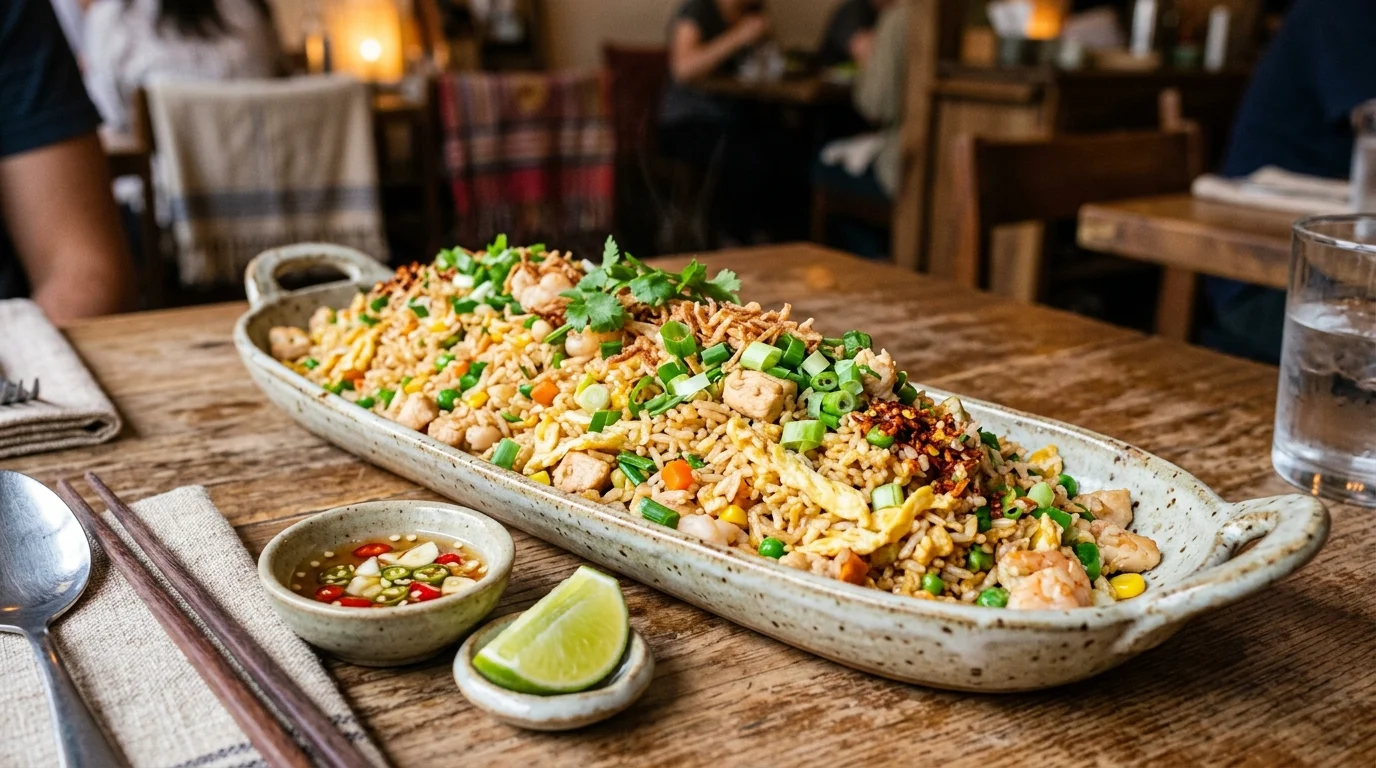
A fried rice recipe done properly is one of the most satisfying 15-minute meals available in any home kitchen — fast, deeply flavoured, endlessly adaptable, and genuinely better than takeout when the technique is right. The secret is not in the ingredients, which are pantry staples in every form, but in the heat, the rice, and the timing. Day-old cold rice frying in a screaming hot wok develops the golden, slightly crispy exterior on each grain that defines great fried rice — the kind that has texture, aroma, and that characteristic smoky edge called wok breath that you can smell from the next room.
It works as a complete weeknight dinner, a side dish, a meal prep staple, and the single best way to use refrigerated leftover rice before it gets thrown away. No complicated steps — just pure fried rice recipe results, golden and fragrant from the wok in 15 minutes.
Ingredients
For the Fried Rice (serves 4):
- 3 cups cooked long-grain white rice [day-old and cold — this is non-negotiable]
- 3 large eggs, lightly beaten
- 1 cup frozen peas and carrots, thawed and dried
- 4 spring onions, white and green parts separated and sliced
- 4 cloves garlic, minced
- 1 tbsp fresh ginger, finely grated
- 2 tbsp neutral oil [vegetable or canola — high smoke point required]
- 1 tbsp sesame oil [for finishing — not for cooking]
For the Fried Rice Sauce:
- 3 tbsp soy sauce [low-sodium preferred]
- 1 tbsp oyster sauce
- 1 tsp dark soy sauce [for colour and caramel depth]
- 1 tsp sesame oil
- ½ tsp sugar
- ¼ tsp white pepper
Optional Proteins and Add-Ins:
- 2 cups cooked chicken, shrimp, beef, or pork — sliced or diced (optional)
- ½ cup corn kernels, fresh or frozen (optional)
- ½ cup diced bell pepper (optional)
- 1 tbsp chili oil or chili crisp — for heat (optional)
- Toasted sesame seeds, for garnish (optional)
- Extra sliced spring onion, for garnish (optional)
- Lime wedges, for serving (optional)
Step-by-Step Instructions
Step 1: Gather and Prep Your Ingredients
Before the wok goes on the heat, prep every component and stage it within arm’s reach. Slice the spring onions and separate the whites from the greens, mince the garlic, grate the ginger, thaw and dry the vegetables, beat the eggs in a small bowl, and mix all the sauce ingredients together in a separate bowl. The fried rice recipe moves at wok speed once the heat goes on — there is no time to pause mid-cook for any prep without something burning or overcooking while you’re distracted. Thirty seconds of inattention at wok temperature can take garlic from perfectly golden to bitter and burnt, and burnt garlic in a fried rice ruins the entire batch.
Pro Tip: Break up the cold day-old rice with your hands before it goes anywhere near the wok — separate every clump until the grains are loose and individual. Cold, clumped rice entering a hot wok spends the first minute just breaking apart under the spatula rather than frying properly, which wastes valuable wok heat. Loose individual grains enter the wok already in the ideal state and start developing colour and texture immediately on contact with the hot surface.
Step 2: Mix the Sauce and Prep the Rice
In a small bowl, combine the soy sauce, oyster sauce, dark soy sauce, sesame oil, sugar, and white pepper. Stir until the sugar is fully dissolved — a small undissolved pocket of sugar in a hot wok caramelises unevenly and creates sweet, sticky burnt patches in the rice rather than even seasoning throughout. Taste the sauce before it goes near the wok — it should be deeply savoury, slightly sweet, and boldly flavoured. It will taste aggressively salty at this stage, which is correct — it dilutes significantly once tossed through three cups of rice. Pre-mixing the sauce means it goes into the wok in one pour rather than multiple additions, which keeps the heat consistent and the cook moving at the right pace.
Pro Tip: Pre-mixing the sauce before cooking is the most practical single habit for a consistently good fried rice recipe. Sauces added as individual components during the cook — pouring from multiple bottles at high heat while managing everything else in the wok — produces uneven seasoning and frequently results in one element going in too late or in the wrong quantity. One bowl, one pour, one consistent result every time.
Step 3: Heat the Wok and Cook the Eggs
Heat a wok or large heavy skillet over the highest heat your stovetop can produce for 2–3 minutes until it is visibly smoking. The pan must be genuinely, properly hot — a moderately warm wok produces steamed, grey fried rice rather than the golden, slightly crisped result that defines the dish. Add 1 tablespoon of neutral oil and swirl to coat. Pour the beaten eggs into the wok and let them set for 10 seconds without stirring, then scramble with a spatula into large, soft curds — pull them off the heat when they are still slightly underdone, not fully set. Remove the scrambled eggs from the wok before they finish cooking — they will complete from the residual heat of the rice when everything comes together. Set aside on a plate.
Pro Tip: Remove the eggs before they look done — every second they spend in the wok beyond the soft curd stage they continue cooking from the pan’s residual heat. Eggs that look fully cooked when removed from the wok will be overcooked and rubbery by the time the fried rice is finished and plated. Soft, barely set curds that go back into the wok at the end arrive at the table at exactly the right texture.
📖 Read More: Chicken Rice Casserole
Step 4: Add Aromatics, Protein, and Vegetables
Without cleaning the wok, add the remaining tablespoon of neutral oil. Add the spring onion whites, minced garlic, and grated ginger to the hot wok and stir vigorously for 30–45 seconds until fragrant and pale golden — move constantly at this temperature because garlic burns to bitterness in under 30 seconds of stillness. Add any optional protein — cooked chicken, shrimp, or beef — and toss for 60 seconds until heated through and slightly caramelised. Add the thawed, dried vegetables and stir-fry for 90 seconds until just cooked through but still holding a slight crunch. The vegetables should look vibrant and bright rather than soft and collapsed — overcooked vegetables in a fried rice produce a steamed, flat result rather than the distinct, textural components that make the dish worth eating.
Pro Tip: Dry the thawed frozen vegetables thoroughly with paper towels before adding to the wok — wet vegetables drop the pan temperature immediately and create steam rather than stir-fry conditions. Even a small amount of residual water from thawed peas or carrots is enough to significantly reduce the wok temperature and prevent the characteristic slight char from developing on the vegetables and subsequent rice.
Step 5: Add the Rice and Sauce
Increase the heat to maximum and add the broken-up cold rice directly to the wok. Using a wok spatula or a wide, flat spatula, press the rice firmly against the hot surface in sections and hold for 20–30 seconds to allow browning and crisping to develop, then toss and press again. Repeat this press-and-toss motion for 2–3 minutes until the rice is heated through, individual grains have developed a slightly golden, toasted appearance, and the wok is sizzling loudly and consistently. Pour the pre-mixed sauce over the rice in one addition and toss continuously for 60 seconds until every grain is evenly coated and the sauce has absorbed into the rice rather than pooling at the base of the wok.
Pro Tip: Break up any remaining clumps of cold rice with the spatula as they appear during the first minute of tossing — press them against the wok surface and they break apart in the heat within seconds. Work quickly and keep everything moving. A fried rice that stays stationary for more than 30 seconds at high heat will develop hot spots where the rice over-chars while other areas remain grey and undercooked. Continuous, active motion produces even colour and texture across every grain.
Step 6: Return Eggs, Finish, and Serve
Return the scrambled eggs to the wok and toss everything together for 30–45 seconds until the eggs are fully incorporated and warmed through. Drizzle the finishing sesame oil over the entire wok in the final 10 seconds and toss once more — the sesame oil goes in last because its delicate aromatic compounds evaporate under prolonged high heat, and adding it at the very end preserves the fragrance and flavour that makes a fried rice recipe smell as good as it tastes. Taste and adjust — a splash of additional soy sauce, a drop of chili oil, or a few extra drops of sesame oil are the most common final adjustments. Divide between warm bowls immediately and top with the reserved spring onion greens, toasted sesame seeds, and any other garnishes. Serve the moment it comes off the heat.
Pro Tip: Serve fried rice the moment it leaves the wok — it is at peak texture, colour, and aroma for the first 5 minutes and begins to soften progressively as steam from the hot rice accumulates in the bowl and the grains reabsorb the sauce. Have the bowls warm and the garnishes ready before the rice goes into the wok so there is zero gap between finishing and serving.
Cook Time
Total Time: 15 minutes | Prep: 8 minutes | Sauce Mixing: 2 minutes | Cook: 10 minutes One wok — fried rice recipe on the table in 15 minutes.
Servings
Serves 4 as a main course or 6 as a side dish.
Nutritional Information (approx. per serving — based on 4 servings, with eggs and vegetables, no optional protein)
| Nutrient | Amount |
|---|---|
| Calories | 380 kcal |
| Fat | 12g |
| Saturated Fat | 2g |
| Carbohydrates | 56g |
| Protein | 12g |
| Sugar | 4g |
| Fiber | 3g |
| Sodium | 780mg |
| Vitamin C | 12mg |
| Potassium | 320mg |
| Calcium | 60mg |
Values are approximate and will vary based on ingredients and optional proteins used.
Storage Instructions
A fried rice recipe stores well in the refrigerator for up to 3 days in an airtight container, making it one of the better meal prep options among fast Asian-style dishes. The rice absorbs the sauce as it sits and the flavours deepen overnight — day-two fried rice often tastes more developed than the freshly cooked version. Reheat in a hot wok or skillet with a small splash of water added immediately — the water creates a burst of steam that heats the rice through without drying it out, and 2–3 minutes of tossing over high heat revives much of the original texture and colour. Add a fresh drizzle of soy sauce and sesame oil after reheating to restore the flavour that fades during refrigeration. Avoid microwaving where possible — it heats unevenly and produces a soft, slightly gluey texture rather than the distinct, separated grains of freshly cooked fried rice. If microwaving, add a tablespoon of water, cover loosely with a damp paper towel, and heat in 60-second intervals, stirring between each pass. For freezing, cooked fried rice freezes adequately for up to 1 month, though the rice texture becomes noticeably softer after thawing. Freeze in individual portions in sealed freezer bags, thaw overnight in the refrigerator, and reheat in a hot wok as above. For the best practical approach as a weekly meal prep, keep pre-mixed sauce in a sealed jar in the refrigerator for up to 2 weeks — it saves the prep step on any night a fresh fried rice is needed and ensures consistent seasoning across every batch.
📖 Read More: Rice Pudding Recipe
Suggestions
- Chicken Fried Rice: Add 1½ cups of cooked, diced chicken breast or shredded rotisserie chicken to the aromatics step before the vegetables go in. Toss for 60 seconds in the hot wok until the chicken edges develop a slight char before adding the vegetables and rice. This is the most universally popular fried rice variation — mild, filling, and appropriate for every palate. Use rotisserie chicken for the fastest version with the deepest flavour from the chicken itself.
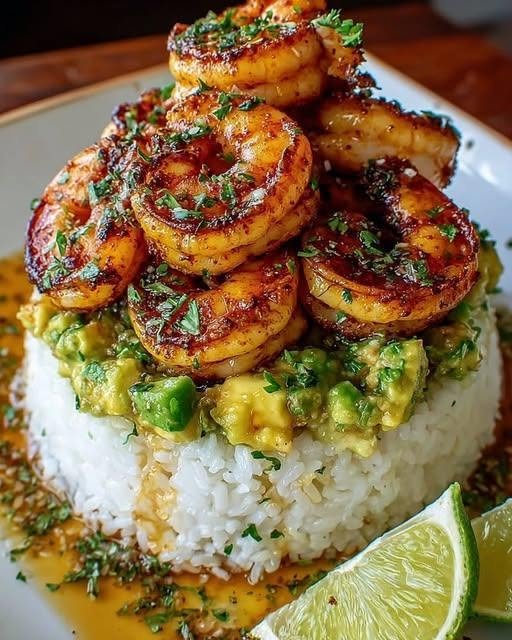
- Shrimp Fried Rice: Sear 400g of large raw shrimp — dried and seasoned with salt, pepper, and a pinch of garlic powder — in the hot oiled wok for 90 seconds per side until pink and slightly charred at the edges before the aromatics go in. Remove the shrimp and set aside, cook the aromatics and rice as described, and return the shrimp in the final toss. Shrimp fried rice is the fastest protein addition in the list — the shrimp cook in under 3 minutes total and pair with the soy and sesame sauce perfectly.
- Pork and Pineapple Fried Rice: Dice 200g of cooked pork loin or use leftover pulled pork — add to the aromatics step alongside the vegetables. Add ½ cup of fresh or tinned pineapple chunks — well drained — in the final 30 seconds of tossing. The sweet acidity of the pineapple against the savoury pork and soy sauce creates a Thai-inspired balance that is lighter and more aromatic than the plain soy version. Finish with fresh lime juice and coriander for the full flavour effect.
- Vegetable Fried Rice: Skip all protein and double the vegetables — add diced zucchini, baby corn, shredded cabbage, and mushrooms alongside the standard peas and carrots. Add 2 extra eggs to the scramble for protein. This version is completely plant-based when made without eggs and with a vegetarian oyster sauce alternative. The mushrooms in particular add an umami depth that compensates for the absent meat protein and makes the vegetable version genuinely satisfying rather than a compromised alternative.
- Kimchi Fried Rice: Add ½ cup of roughly chopped kimchi to the wok with the aromatics and cook for 60 seconds until the kimchi heats through and begins to caramelise slightly in the pan. The kimchi adds fermented, spicy, deeply savoury notes that transform a standard fried rice into something far more complex and distinctly Korean in character. Finish with a fried egg on top of each bowl — the runny yolk mixed into the spiced, fermented rice is one of the most satisfying combinations in the entire fried rice catalogue.
- Egg Fried Rice Only: Skip every optional protein and additional vegetable — make the most stripped-back version using only eggs, spring onion, garlic, rice, and the sauce. This is the version that proves the technique is the dish, not the additions. Properly made egg-only fried rice from day-old cold rice in a screaming hot wok produces something that is more flavourful and satisfying than the same ingredients produced by any other method. It is the standard by which all other fried rice variations are measured.
- Garlic Butter Fried Rice: Replace 1 tablespoon of the neutral oil with 1 tablespoon of unsalted butter and add 2 extra cloves of minced garlic beyond the standard quantity. The butter adds richness and a slightly caramelised flavour to the rice that neutral oil alone never achieves, and the extra garlic produces a deeply aromatic version that is particularly satisfying as a side dish alongside grilled meats or fish. Finish with an extra knob of cold butter tossed through in the final 10 seconds for gloss.
- Weight-Loss Friendly Fried Rice: Replace the long-grain white rice with cauliflower rice or a 50/50 blend of cauliflower rice and regular rice. The cauliflower absorbs the sauce identically to regular rice — it holds its texture during the wok cook and takes on the soy and sesame flavours completely. Reduce the oil to 1 tablespoon total across the entire cook, use low-sodium soy sauce, and add an extra egg for protein without meaningful calories. Each serving comes in under 260 calories on the full cauliflower rice version while still delivering a genuinely satisfying, fully flavoured fried rice experience.
Seasonal Relevance
A fried rice recipe is a genuinely year-round dish — the core ingredients of rice, eggs, soy sauce, and sesame oil are available at consistent quality and price in every season without any meaningful variation. The vegetables and proteins that work best alongside it shift naturally with what’s fresh and available. From May through September, fresh corn from the cob, snap peas, and tender baby vegetables at peak season make the vegetable version taste significantly better than the equivalent built from frozen and canned alternatives. Summer is also when a quick, hot wok cook feels most practical — the 10-minute cooking time minimises kitchen heat and the light, savoury result suits warm-weather eating well. From October through February, fried rice is at its most satisfying as a complete weeknight dinner — filling, warming, and built from pantry staples that are always available regardless of season. The kimchi version particularly suits autumn and winter — the fermented, spicy character is more appealing on a cold evening than it is in July. Spring, March through May, is when the pork and pineapple variation gets most use — the tropical, sweet-savoury combination feels seasonally right as the appetite shifts toward lighter, brighter flavours after winter.
Conclusion
A fried rice recipe earns its reputation as one of the most reliable, most satisfying things you can cook in a wok because it converts the most basic pantry ingredients — leftover rice, eggs, soy sauce, a few vegetables — into something that tastes genuinely deliberate and skilled when the technique is applied correctly. Use cold day-old rice, heat the wok until it smokes, press the rice against the surface for colour, add the sauce in one pour, finish the sesame oil last. Those five things done consistently produce a fried rice that is better than most restaurant versions and ready in under 15 minutes. Work through the variations, find the two or three fried rice recipes that suit your household’s preferences best, and make them part of the permanent weekly vocabulary. Once you have a reliable fried rice recipe in your rotation, leftover rice stops being a problem and starts being the most practical ingredient in the refrigerator.
FAQs
Q: Why does my fried rice always come out soggy and clumped? Soggy, clumped fried rice is caused almost entirely by fresh rice used directly from the pot or rice that was still warm when it entered the wok. Fresh rice contains too much surface moisture — it steams in the wok rather than frying and the grains stick together regardless of how hot the pan is. Always use rice that has been cooked, spread on a tray or plate, cooled, and refrigerated for at least several hours — overnight is ideal. Cold, dry rice with no residual surface moisture enters a hot wok and begins frying immediately. Breaking up every clump before it goes in the wok is the second critical step — clumped cold rice spends its first minute in the wok just breaking apart rather than developing colour and texture.
Q: What type of rice is best for a fried rice recipe? Long-grain white rice is the best choice — jasmine rice is the most commonly used variety in Asian fried rice and produces separate, slightly fragrant grains that fry cleanly and absorb sauce evenly. The individual grain length means each piece moves freely in the wok and develops an even colour across its surface. Short-grain or sushi rice has too high a starch content and too much moisture — the grains stick together and produce a gummy, dense fried rice regardless of the cook method. Medium-grain rice is an acceptable middle ground. Day-old jasmine or long-grain rice from any meal is the single best starting material — its starch has dried and set sufficiently to produce distinct, non-sticky grains under wok heat.
Q: Can I make fried rice without a wok? Yes — a large, heavy stainless steel skillet or a cast iron pan works as a wok substitute. The key requirement is maximum heat on a flat, wide cooking surface — the widest, heaviest pan available on your stovetop produces the closest approximation to wok conditions. Never use a non-stick pan for fried rice — non-stick coatings cannot safely handle the high temperatures required and don’t produce the same surface contact or colour that gives fried rice its characteristic texture. Work in smaller batches if your pan is smaller than a standard wok — overcrowding a flat skillet drops the temperature even more dramatically than it does in a curved wok, and small batches with a full pan temperature recover between each are always better than one large batch in an inadequately hot pan.