Guava Juice Refreshing & Ready in 10 Minutes
Guava juice is one of the most nutritionally dense drinks you can make at home — naturally high in vitamin C, rich in antioxidants, and unlike anything available in a standard carton from a supermarket shelf. It works as a vibrant morning drink, a post-workout refresher, or a show-stopping base for tropical mocktails and cocktails. No complicated steps — just pure guava juice goodness, blended and ready in 10 minutes.
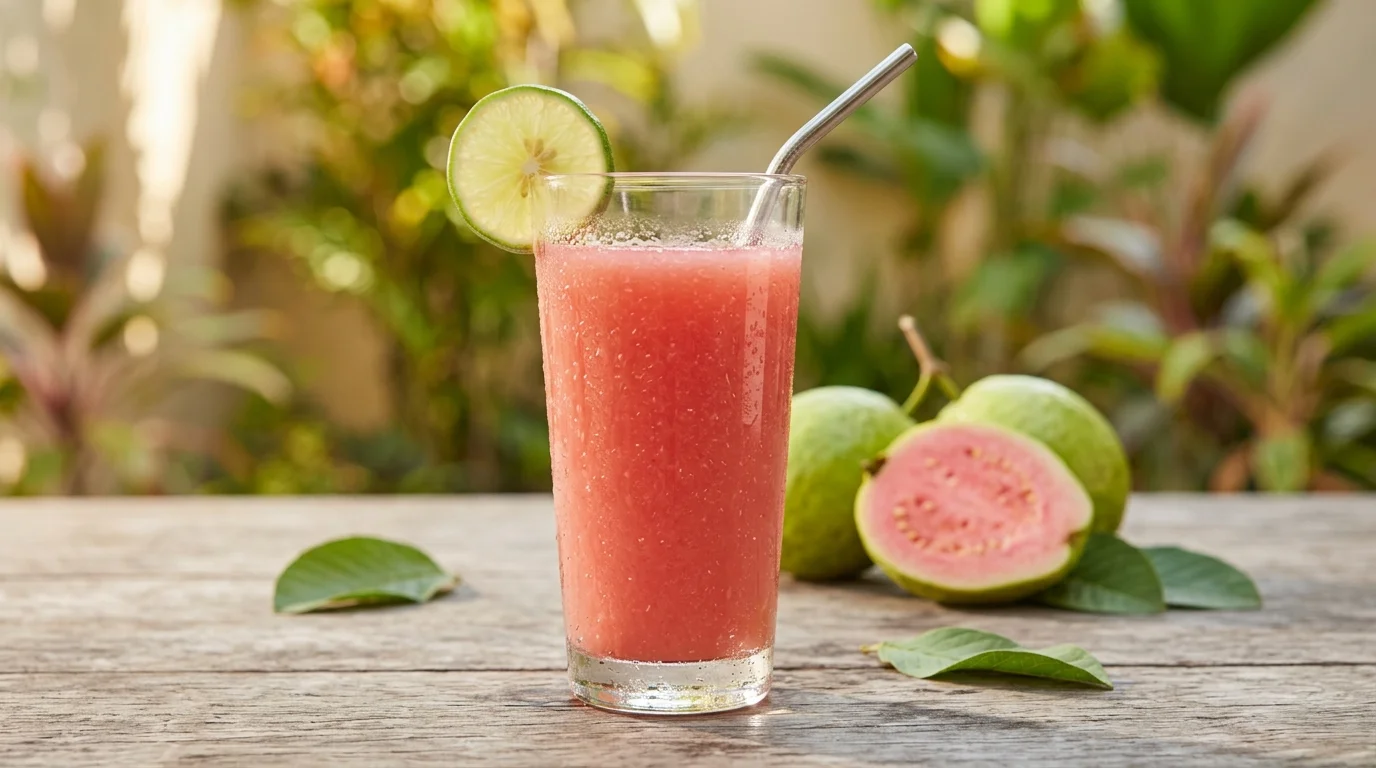
Ingredients
For the Guava Juice (serves 2–4):
- 4–6 ripe guavas, washed and roughly chopped [pink or white flesh — pink produces the most vivid colour]
- 1½ cups cold water [adjust for desired thickness]
- 1 tbsp fresh lime juice [brightens flavour and prevents browning]
- 1–2 tsp sugar or honey [optional — ripe guavas may need none]
- Pinch of fine salt [optional — enhances natural sweetness]
- ¼ tsp ground cumin [optional — classic South Asian spice addition]
- ¼ tsp black salt / kala namak [optional — adds tangy depth]
For Serving:
- Ice cubes or crushed ice
- Lime wheel or fresh mint sprig, for garnish
- Chilled clear glasses
Step-by-Step Instructions
Step 1: Gather and Prep Your Ingredients
Wash the guavas thoroughly and cut them into rough chunks — no need to peel since the skin is entirely edible and packed with nutrients. Remove both ends and check for any bruised spots. Ripe guavas should smell intensely fragrant and yield slightly under gentle pressure. Underripe guavas produce a harsh, astringent juice — always choose the softest, most fragrant fruit available.
Pro Tip: The more fragrant the guava smells raw, the better the finished juice will taste.
Step 2: Blend the Guavas With Water
Add the cold water to the blender first, then add all the chopped guava chunks on top. Blend on high speed for 60–90 seconds until completely smooth. Guava flesh is denser than most fruits and the seeds are hard — full blending time at maximum speed ensures both the flesh and seeds are fully broken down into the liquid for maximum flavour and colour extraction.
Pro Tip: Don’t reduce blend time — guava seeds need the full 90 seconds to break down properly.
Step 3: Strain the Juice
Pour the blended guava mixture through a fine mesh strainer or cheesecloth into a large jug. Press the pulp firmly with the back of a spoon to extract every drop of juice. Guava seeds and fibrous skin leave behind a thick pulp — pressing hard here is essential for maximum yield. Strain twice for a completely smooth, seed-free result.
Pro Tip: A nut milk bag produces the cleanest, clearest guava juice with the least effort.
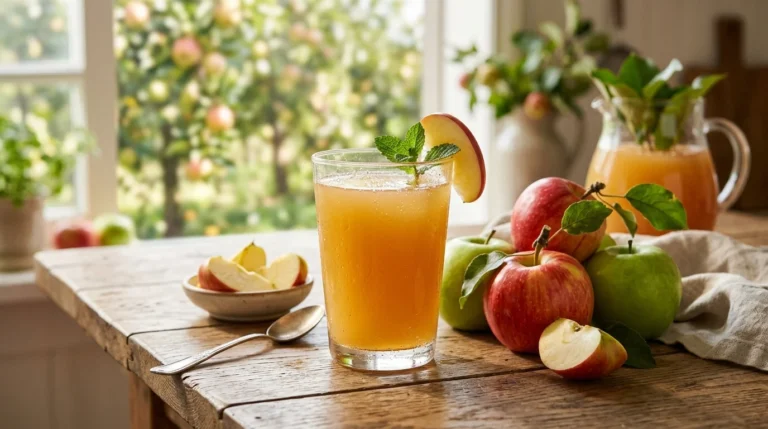
📖 Read More: Apple Juice
Step 4: Check Consistency and Adjust
Hold the jug up to the light — fresh guava juice should look opaque, deeply pink or golden-white depending on the variety, and slightly thick from the natural pectin in the fruit. If it looks too thick, add cold water one tablespoon at a time and stir. If it looks thin and watery, the guavas were over-diluted during blending — reduce water next time.
Pro Tip: Pink guavas produce the most vibrant colour — choose them whenever available for best presentation.
Step 5: Taste and Fine-Tune
Add the lime juice now — it brightens the entire flavour profile and prevents the juice from darkening. Taste carefully and assess the sweetness. Fully ripe guavas need no added sugar whatsoever. If adding cumin and black salt for a South Asian-style chaat-spiced version, stir them in now and let the juice sit for 2 minutes before serving for the spices to fully dissolve.
Pro Tip: Lime juice is non-negotiable — skip it and the juice tastes flat within minutes.
Step 6: Pour, Garnish, and Serve Immediately
Pour the finished guava juice over ice in tall, clear glasses — the colour looks most vibrant against transparent glass. Garnish with a thin lime wheel balanced on the rim or a sprig of fresh mint pressed against the inside of the glass. Serve immediately while the aroma is at its most vivid. Fresh guava juice oxidises quickly — drink within 20 minutes for the best experience.
Pro Tip: Frosted glasses keep guava juice at peak temperature and look genuinely impressive at any table.
Cook Time
Total Time: 10 minutes | Prep: 5 minutes | Blend and Strain: 5 minutes No cooking required.
Servings
Makes approximately 2 cups (480ml) — serves 2 to 4 depending on glass size.
Nutritional Information (approx. per serving — 1 cup / 240ml, no added sugar)
| Nutrient | Amount |
|---|---|
| Calories | 80 kcal |
| Fat | 0.5g |
| Saturated Fat | 0g |
| Carbohydrates | 18g |
| Protein | 2g |
| Sugar | 12g |
| Fiber | 1g |
| Sodium | 15mg |
| Vitamin C | 228mg |
| Potassium | 420mg |
| Calcium | 30mg |
Values are approximate and will vary based on ingredients used.
Storage Instructions
Fresh guava juice is best consumed within 15–20 minutes of making — the vitamin C degrades on exposure to air and the vivid colour begins browning quickly. Store in a sealed, airtight glass bottle filled completely to the brim to minimise air contact. Add an extra squeeze of lime before sealing to slow oxidation. Refrigerate for up to 24 hours and shake well before serving.
For longer storage, freeze fresh guava juice in ice cube trays until solid, then transfer to a sealed freezer bag. Store for up to 3 months. Use frozen cubes in smoothies, cocktails, or lemonade. For the freshest daily glass, use the freezer pack method — portion raw chopped guava into individual bags, freeze flat, and blend fresh with water and lime whenever needed.
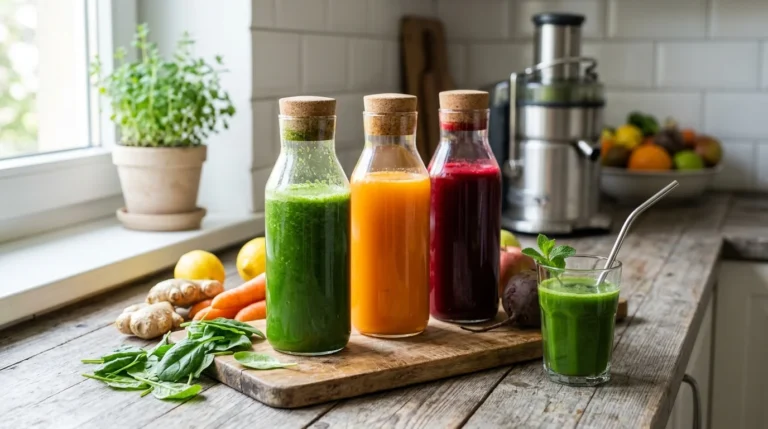
📖 Read More: Detox Juice
Suggestions
- Spiced Guava Juice (Chaat Style): Add ¼ teaspoon each of roasted cumin, black salt, and chili powder to the finished juice. Stir well and serve over ice. This South Asian-inspired version is tangy, spiced, and deeply refreshing — the most flavourful variation in the list by a significant margin.
- Guava Lemonade: Combine equal parts fresh guava juice and fresh lemonade over a glass packed with crushed ice. Garnish with a mint sprig and a lime wedge. The tartness of the lemon against the tropical sweetness of guava produces a naturally balanced, crowd-pleasing drink perfect for summer gatherings.
- Guava Ginger Detox Juice: Blend the guavas with 1 inch of fresh ginger root and the juice of half a lemon before straining. The ginger adds anti-inflammatory depth and a sharp warming edge that makes this version genuinely functional as a daily wellness drink. High in vitamin C and antioxidants.
- Guava Smoothie Bowl: Reduce the water by half to produce a very thick guava base. Blend with 1 frozen banana and ½ cup of frozen mango. Pour into a bowl and top with granola, fresh fruit, and a drizzle of honey. A filling, plant-based breakfast that starts from the same five-minute base.
- Pink Guava Mocktail: Mix 1 cup of fresh guava juice with ½ cup of sparkling water, a squeeze of lime, and a splash of grenadine over ice. Garnish with a lime wheel and fresh mint. This non-alcoholic option looks visually stunning and delivers the full tropical guava experience in an elegant drink format.
- Guava Protein Juice: Blend the strained guava juice with 1 scoop of unflavoured protein powder and a frozen banana. Shake or blend briefly until smooth. This post-workout version delivers 20+ grams of protein alongside the high vitamin C content — one of the most nutritionally complete juice variations available.
- Kid-Friendly Guava Juice: Use 5 ripe guavas, reduce water to 1 cup, and add 1 teaspoon of honey. Skip all spices. Serve chilled over ice in small glasses — the natural tropical sweetness of ripe guava is immediately appealing to younger palates without any adjustment needed.
- Weight-Loss Guava Juice: Use only 3 guavas and 2 cups of water for a more diluted, lower-calorie version. Add extra lime juice and a pinch of black pepper. At under 50 calories per serving with meaningful fibre and vitamin C, this is one of the most nutrient-dense low-calorie drinks available.
Seasonal Relevance
Guava is a tropical fruit and peaks in two distinct windows — from August through October and again from January through April in most growing regions. During peak season, fresh guavas are at their cheapest, most fragrant, and most flavourful. Buy in bulk during these months and freeze chopped guava in individual portion bags to use year-round. From May through July when fresh guavas are harder to find, frozen guava pulp — available at most Asian and Latin grocery stores — produces excellent juice with no compromise on flavour or vitamin content.
Conclusion
Guava juice is one of the most nutritionally powerful, most under-appreciated drinks you can make at home. One glass delivers more vitamin C than most citrus fruits, a vivid tropical flavour, and a colour that makes every serving look genuinely special. Try the spiced chaat version for boldness, the guava lemonade for a crowd, or the ginger detox blend for a daily wellness habit. Make your first batch of guava juice this week — it earns its place in the rotation immediately.
FAQs
Q: Can I use canned or frozen guava for guava juice? Yes — frozen guava pulp produces excellent juice and is widely available at Asian and Latin grocery stores year-round. Thaw completely before blending and reduce the added water slightly since the pulp already contains moisture. Canned guava in syrup works but will make the juice significantly sweeter — rinse the fruit and skip all added sweetener when using it.
Q: Why does my guava juice taste bitter or astringent? Bitterness in guava juice almost always comes from underripe fruit. Ripe guavas should be soft to the touch, intensely fragrant, and yield easily under light pressure. If the guavas were firm and odourless, the juice will taste harsh regardless of preparation. Adding extra lime juice and a small amount of honey corrects mild bitterness — severely underripe guavas cannot be rescued by seasoning alone.
Q: How many guavas does it take to make one glass of juice? Two to three medium ripe guavas produce approximately one cup of strained juice. Larger guavas or particularly juicy varieties may yield slightly more. The exact quantity varies by ripeness, variety, and how firmly the pulp is pressed during straining. Pink-fleshed guavas generally yield more juice than white-fleshed varieties and produce a richer, more flavourful result per fruit.