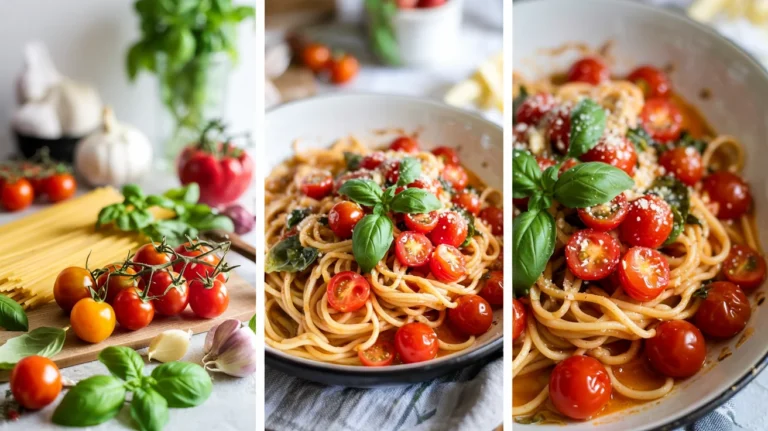
Shrimp Pasta Recipes Garlic, Buttery & Ready in 20 Minutes
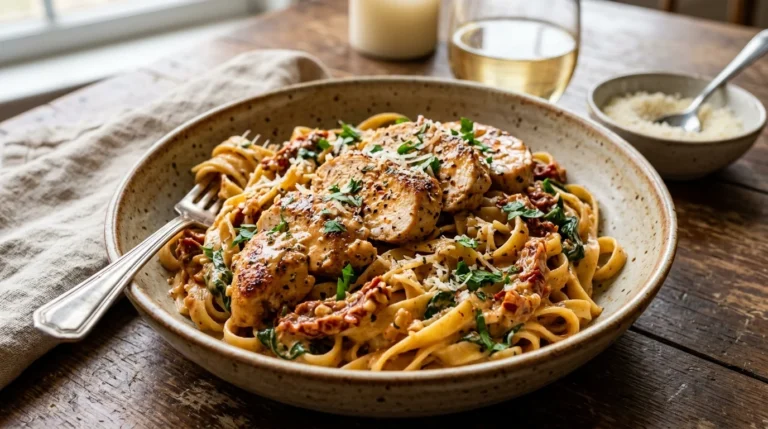
Shrimp pasta recipes are the weeknight dinner category that consistently produces something that looks and tastes far more impressive than the 20 minutes it took to make. Shrimp cook in under 4 minutes, pasta takes 10, and a properly built sauce comes together in the time it takes the water to boil — which means the entire dish is genuinely on the table faster than most delivery orders and with significantly better flavour.
The combination of sweet, slightly charred shrimp against a garlic butter base, tossed through pasta with a finishing hit of lemon and Parmesan, is one of the cleanest and most satisfying flavour combinations in all of weeknight cooking. Whether you’re building the classic garlic butter version, a spicy arrabbiata, a creamy Alfredo-style, or a light white wine sauce, this guide covers the base technique and the best variations in one reliable recipe. No complicated steps — just pure shrimp pasta recipe results, on the table in 20 minutes.
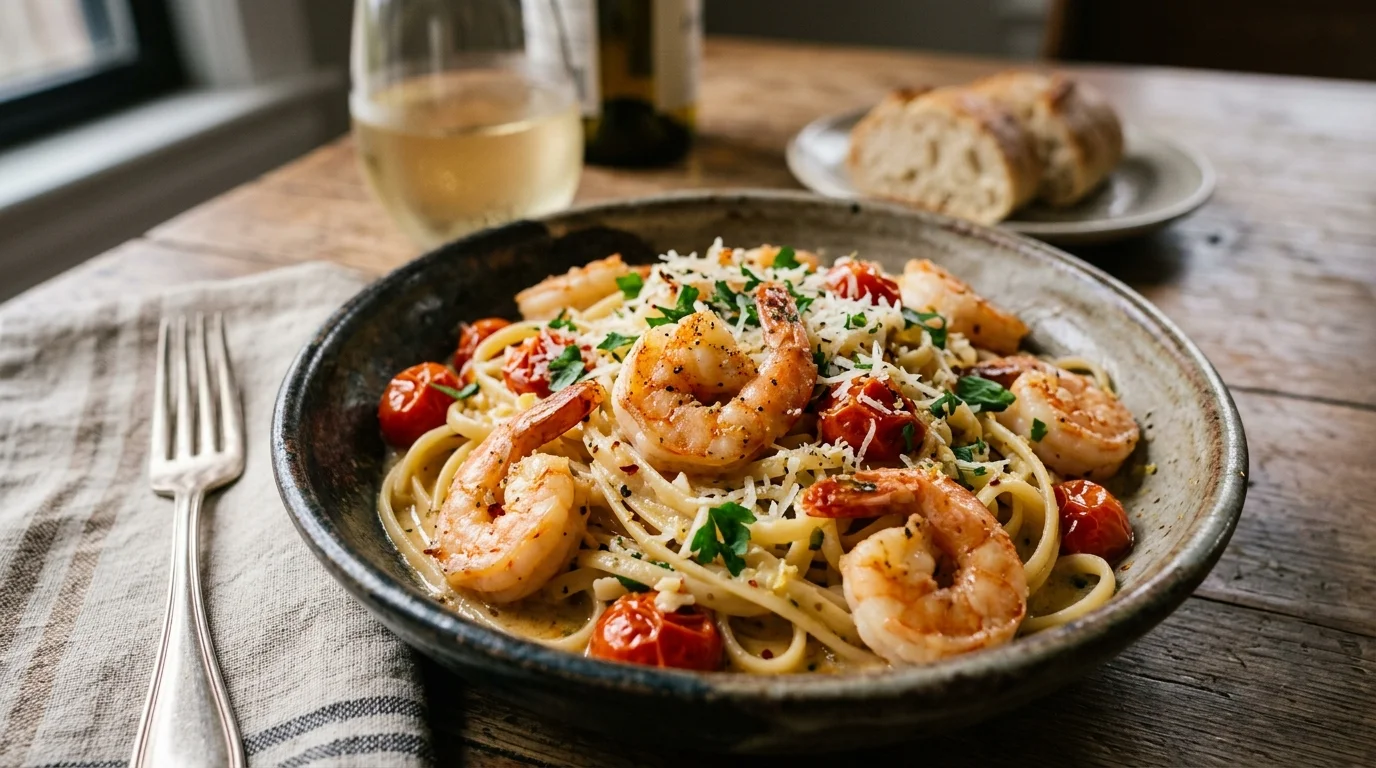
Ingredients
For the Hero Recipe — Garlic Butter Shrimp Pasta (serves 4):
- 400g (14 oz) spaghetti, linguine, or fettuccine
- 500g (1.1 lb) large raw shrimp, peeled and deveined
- 6 cloves garlic, thinly sliced [not minced — sliced for gentle, sweet garlic flavour]
- 4 tbsp unsalted butter, divided
- 2 tbsp extra virgin olive oil
- ½ cup dry white wine [or chicken broth for an alcohol-free version]
- Juice of 1 lemon [approximately 3 tbsp]
- 1 tsp lemon zest
- ¼ tsp crushed red pepper flakes [optional]
- ½ tsp fine salt
- ¼ tsp black pepper
- ¼ cup fresh flat-leaf parsley, roughly chopped
- ½ cup freshly grated Parmesan cheese, for serving
- Reserved pasta water [at least 1 cup — the secret ingredient]
For the Shrimp Seasoning:
- ½ tsp smoked paprika
- ½ tsp garlic powder
- ½ tsp fine salt
- ¼ tsp black pepper
- Drizzle of olive oil
Optional Add-Ins:
- 1 cup cherry tomatoes, halved — added with the garlic (optional)
- ½ cup baby spinach — wilted in at the end (optional)
- ¼ cup sun-dried tomatoes, roughly chopped (optional)
- 1 tbsp capers — for a briny, sharp note (optional)
- ½ tsp anchovy paste — invisible in flavour but adds depth (optional)
Step-by-Step Instructions
Step 1: Gather and Prep Your Ingredients
Before anything hits a hot pan, prep every component completely. Peel and devein the shrimp if not already done, pat them completely dry with paper towels, and season with smoked paprika, garlic powder, salt, and pepper in a bowl. Thinly slice the garlic — sliced rather than minced to prevent burning in the hot butter and to produce a sweeter, more rounded garlic flavour in the finished sauce.
Zest the lemon before juicing it, chop the parsley, and have the white wine or broth measured and at the counter. Shrimp pasta recipes move at speed once the pan is hot — shrimp overcook in 90 seconds beyond their ideal point and garlic burns in under 30 seconds at high heat, so having every ingredient immediately accessible before cooking begins is what separates a clean, well-timed dish from a rushed one.
Pro Tip: Patting the shrimp completely dry is the single most important prep step in any shrimp pasta recipe. Wet shrimp in a hot pan create steam rather than a sear — they cook through but develop no colour, no caramelisation, and none of the slightly charred, sweet flavour that makes seared shrimp genuinely good. Dry shrimp pressed flat against a hot, oiled surface develop golden-brown edges in under 90 seconds and taste entirely different from steamed shrimp cooked the same way but not dried first.
Step 2: Cook the Pasta
Bring a large pot of heavily salted water to a rolling boil. Add the pasta and cook according to the package directions until al dente — firm with a definite bite, approximately 2 minutes less than the package states. The pasta finishes cooking in the sauce, so pulling it slightly early is deliberate and correct. Before draining, scoop out at least 1 full cup of the starchy pasta water and set it aside in a heatproof jug — this is the most important finishing ingredient in any shrimp pasta recipe and should not be skipped. Drain the pasta and toss with a teaspoon of olive oil to prevent sticking while the sauce is built.
Pro Tip: Pasta water salted as generously as mild seawater seasons every strand from the inside out — the sauce seasons the exterior. Both layers of seasoning working together is what makes a shrimp pasta taste complete rather than flat. Salt the water before it boils, taste it, and add more if it doesn’t taste meaningfully seasoned. This single habit improves every pasta recipe you make, not just shrimp pasta.
Step 3: Sear the Shrimp
Heat a large, wide skillet over medium-high heat until hot. Add 1 tablespoon of the butter and 1 tablespoon of olive oil — the combination prevents the butter from burning while the oil provides a high-heat sear surface. Add the dried, seasoned shrimp in a single flat layer — do not crowd the pan, cook in two batches if needed. Cook undisturbed for 90 seconds until the underside develops a pink, golden-spotted colour, then flip each shrimp and cook for 45–60 seconds more until just cooked through and curled into a loose C shape. Remove immediately to a plate — shrimp left in the pan continue cooking from residual heat and go from perfect to rubbery in under 60 seconds. The pan will have golden, sticky residue from the shrimp — leave it entirely, it is pure flavour.
Pro Tip: The C shape vs the O shape is the most reliable visual doneness guide for shrimp. A loose C means the shrimp is perfectly cooked — juicy, tender, and safe to eat. A tight O means the shrimp has over-contracted and will be rubbery regardless of what happens next. Pull shrimp off the heat at the C, always, and let the carry-over heat of the pasta and sauce finish the last few degrees of cooking when everything comes together.
📖 Read More: Make Chicken Pasta Recipes
Step 4: Build the Garlic Butter Sauce
In the same skillet over medium heat, add 1 tablespoon of the remaining butter and the remaining olive oil. Add the thinly sliced garlic and cook gently for 60–90 seconds, stirring constantly — the garlic should turn pale golden and fragrant without darkening past a light gold. Add the cherry tomatoes now if using and press them lightly to encourage them to burst and release juice. Pour in the white wine and let it sizzle and reduce by half — approximately 2 minutes — scraping up every golden bit from the bottom of the pan. The wine deglazes the shrimp fond from the pan surface and incorporates all of it into the sauce. Add the lemon juice, lemon zest, and red pepper flakes and stir to combine.
Pro Tip: Watch the garlic during this step more closely than any other. Garlic in butter over medium heat goes from perfectly pale golden — sweet, nutty, and deeply fragrant — to bitter and acrid in under 30 seconds once the darkening begins. The moment it hits pale gold, the wine goes in immediately and stops the cooking. Garlic that is perfectly cooked makes the sauce; garlic that has burned ruins it, and the bitterness cannot be recovered by any subsequent step.
Step 5: Combine Everything and Finish the Sauce
Add the drained pasta directly to the sauce in the skillet and toss vigorously with tongs. Add the reserved pasta water — start with 3–4 tablespoons and toss through — the starchy water emulsifies with the butter and olive oil to create a glossy, cohesive sauce that clings to every strand. Add more pasta water as needed until the sauce moves freely and coats the pasta without pooling at the bottom of the pan. Add the remaining 2 tablespoons of cold butter to the pasta in the pan and toss continuously until it melts into the sauce — this final butter addition, called mounting, gives the sauce a glossy, silky finish that makes shrimp pasta taste genuinely restaurant-quality. Return the seared shrimp to the pan in the final 30 seconds and toss once to warm through and coat with the sauce.
Pro Tip: Add the final butter cold and off the heat, or over the lowest possible heat. Cold butter added to a hot sauce emulsifies cleanly into a glossy, stable sauce — warm or melted butter added to a hot sauce breaks into grease rather than integrating. The same technique used in professional kitchens to finish every pan sauce applies identically to the finish of every shrimp pasta recipe: cold butter, off heat, continuous tossing until fully melted.
Step 6: Taste, Garnish, and Serve
Before the pasta goes anywhere near a plate, taste a full strand and a piece of shrimp together and adjust. Does it need more lemon? Add a squeeze. Does it taste flat despite being well-seasoned? A few drops of white wine vinegar or an extra pinch of salt resolves it immediately. Is the sauce too tight? Add another tablespoon of pasta water and toss. The finished shrimp pasta recipe should taste bright from the lemon, savoury and rich from the butter and garlic, and deeply of the sea from the shrimp. Divide into warm pasta bowls immediately — twirl the pasta upward with tongs for height. Scatter fresh parsley across each bowl, add 5–6 shrimp per portion arranged on top, and finish with a generous amount of freshly grated Parmesan. Serve with extra lemon wedges on the side.
Pro Tip: Warm the serving bowls before plating — fill them with hot tap water for 60 seconds, then empty and dry. A warm bowl keeps shrimp pasta at the correct eating temperature from the first forkful to the last. Cold bowls pull heat from the dish rapidly, the butter in the sauce congeals within minutes, and the glossy, flowing sauce becomes thick and slightly greasy rather than silky and liquid. The 60-second bowl-warming step is small and worth doing every time.
Cook Time
Total Time: 20 minutes | Prep: 8 minutes | Cook Pasta: 10 minutes | Shrimp and Sauce: 8 minutes One pot, one skillet — shrimp pasta recipes on the table in 20 minutes.
Servings
Serves 4 as a main course.
Nutritional Information (approx. per serving — garlic butter shrimp pasta with white wine sauce and Parmesan)
| Nutrient | Amount |
|---|---|
| Calories | 560 kcal |
| Fat | 20g |
| Saturated Fat | 9g |
| Carbohydrates | 62g |
| Protein | 36g |
| Sugar | 3g |
| Fiber | 3g |
| Sodium | 540mg |
| Vitamin C | 12mg |
| Potassium | 460mg |
| Calcium | 180mg |
Values are approximate and will vary based on ingredients used.
Storage Instructions
Shrimp pasta recipes are best eaten immediately — the shrimp continue cooking from residual heat as they sit and can become rubbery within 15–20 minutes of serving, and the butter sauce tightens and loses its glossy, flowing quality once the pasta cools. If storage is necessary, transfer to an airtight container and refrigerate for up to 2 days — no longer, as cooked shrimp deteriorate in quality faster than most other proteins. When reheating, add a generous splash of water or chicken broth to the pasta before warming in a skillet over medium-low heat, tossing continuously to re-emulsify the butter back into the sauce. Add a small extra knob of butter during reheating to restore the gloss the sauce loses during refrigeration. Microwave reheating works for individual portions — cover loosely with a damp paper towel and heat in 30-second intervals, stirring between each, but expect slightly rubbery shrimp and a less cohesive sauce compared to stovetop reheating. For the best practical approach to shrimp pasta as a meal prep option, store the cooked pasta separately from the shrimp — dressed with a little olive oil and kept in the refrigerator for up to 3 days. Cook fresh shrimp to order in under 4 minutes and combine with the reheated pasta. Fresh shrimp on pre-cooked pasta with a quickly rebuilt butter and garlic sauce takes under 8 minutes and produces a significantly better result than reheated shrimp from a previous cook.
📖 Read More: Pesto Pasta
Suggestions
- Creamy Garlic Shrimp Pasta: After building the garlic and white wine sauce base, add ½ cup of heavy cream to the skillet and simmer for 2 minutes until slightly thickened. Toss the pasta and shrimp through the cream sauce with pasta water to adjust consistency. Finish with Parmesan and parsley. The cream version is noticeably richer and more indulgent than the butter-only build — it coats the pasta in a silky, cream-coloured sauce that carries the garlic and lemon flavour differently and pairs particularly well with fettuccine rather than the thinner spaghetti.
- Spicy Shrimp Arrabbiata Pasta: Replace the garlic butter sauce with an arrabbiata — increase the crushed red pepper flakes to 1 teaspoon and add 1 can of crushed tomatoes alongside the wine. Simmer the tomato sauce for 8 minutes until thickened before adding the pasta. The heat of the arrabbiata against the sweet shrimp creates a sharp, vibrant contrast — the tomato acidity brightens the shrimp flavour and the chili heat builds gradually through each bite. Use penne or rigatoni rather than spaghetti — the short shapes catch the chunky tomato sauce more effectively.
- Lemon Caper Shrimp Pasta: Add 2 tablespoons of drained capers to the sauce alongside the garlic — they sizzle in the butter and develop a slightly crispy edge before the wine goes in. Add the juice of an extra half lemon and increase the parsley quantity significantly. This is the brightest, most acidic variation in the list — the capers add a briny intensity that makes every element of the shrimp pasta taste more defined and vivid. It pairs best with angel hair or thin spaghetti where the delicate pasta doesn’t compete with the bold sauce components.
- Shrimp Pasta With Sun-Dried Tomatoes and Spinach: Add ¼ cup of roughly chopped oil-packed sun-dried tomatoes to the garlic butter alongside the sliced garlic. Stir 2 cups of baby spinach into the sauce in the final 30 seconds before the pasta goes in — it wilts to almost nothing within 60 seconds. The sun-dried tomatoes add a concentrated sweetness and the spinach adds iron and colour — together they make this version the most nutritionally complete and visually appealing shrimp pasta in the list.
- Shrimp Pasta With White Wine and Cherry Tomatoes: Add 1 cup of halved cherry tomatoes to the garlic butter sauce alongside the wine and allow them to burst and caramelise for 3–4 minutes before the pasta goes in. The caramelised cherry tomatoes add a concentrated, jammy sweetness to the wine and butter base that makes this version noticeably lighter and more summery than the plain butter sauce. This is the best version for peak-season summer tomatoes when they are sweet enough to stand as a flavour component in their own right.
- Coconut Curry Shrimp Pasta: Replace the white wine with ½ cup of coconut milk and add 1 tablespoon of red Thai curry paste to the garlic and oil base before any liquid goes in. Cook the curry paste for 60 seconds until fragrant, then add the coconut milk and simmer for 3 minutes until slightly thickened. Toss through the pasta and return the shrimp. Finish with fresh lime juice instead of lemon and coriander instead of parsley. This version takes shrimp pasta in a completely different direction from the Italian base — bold, aromatic, and genuinely surprising in how well the coconut and curry flavours work with long pasta.
- Dairy-Free Shrimp Pasta: Replace the butter entirely with a combination of good extra virgin olive oil and 2 tablespoons of pasta water emulsified together in the pan — the pasta water starch acts as the emulsifier that butter normally provides. Skip the Parmesan or use a dairy-free Parmesan alternative. Increase the lemon juice and zest slightly to compensate for the missing richness of the butter and Parmesan. The finished shrimp pasta is lighter, brighter, and more olive-oil-forward than the butter version — genuinely good rather than a compromise, and appropriate for any dietary restriction.
- Weight-Loss Friendly Shrimp Pasta: Use 300g of pasta instead of 400g and replace half the pasta with 2 cups of zucchini ribbons made with a vegetable peeler — fold them into the hot sauce alongside the pasta for the final 60 seconds. Reduce the butter to 2 tablespoons total and skip the final mounting step. Use the maximum pasta water rather than extra butter to create the sauce binding. Each serving comes in under 420 calories while delivering over 32g of protein from the shrimp. The zucchini ribbons add volume, crunch, and freshness without adding meaningful calories.
Seasonal Relevance
Shrimp pasta recipes are genuinely year-round but the builds that feel most right shift naturally with the season. From May through September, the cherry tomato and white wine version, the lemon caper build, and the spinach and sun-dried tomato variation are the natural choices — bright, acidic, light, and genuinely suitable for warm weather eating where a rich cream sauce feels like too much. Summer is when fresh cherry tomatoes at peak ripeness from July through August make the tomato-based shrimp pasta genuinely outstanding — the natural sweetness and acidity of peak-season tomatoes against the sweet shrimp and garlic butter is one of the best summer pasta combinations available. From October through February, the creamy garlic version and the coconut curry variation come forward — richer, warmer, and better suited to the cold-weather appetite for something more substantial and indulgent. The coconut curry version in particular belongs to autumn and winter — the warming spice of the red curry paste is more appealing on a cold evening than it is in July. Spring, March through May, is when shrimp pasta returns to lighter, herb-forward builds — extra parsley, more lemon, a simple butter and garlic base without cream — as the appetite shifts naturally toward fresher flavours after winter.
Conclusion
Shrimp pasta recipes earn their permanent place in the weeknight rotation because they solve the recurring dinner problem — fast, genuinely impressive, high in protein, and adaptable to whatever direction the flavour mood of the evening calls for. The technique is learnable in one cook: dry the shrimp, sear in batches without crowding, don’t overcook past the C shape, build the garlic butter sauce off-heat, use pasta water generously, and mount with cold butter at the end. Those six things done correctly every time produce a shrimp pasta that tastes like a restaurant delivered it to your table — in 20 minutes, from one skillet. Work through the variations, find the two or three shrimp pasta recipes that suit your household best, and make them part of the permanent weeknight vocabulary.
FAQs
Q: How do I stop shrimp from becoming rubbery in pasta? Rubbery shrimp in pasta comes from overcooking — the muscle fibres in shrimp contract rapidly beyond their ideal point and no amount of sauce or additional cooking can reverse the texture once it’s happened. Pull the shrimp off the heat the moment they curl into a loose C shape and turn fully opaque. Remove them to a plate immediately rather than leaving them in the hot pan where carry-over heat continues cooking them. Return them to the sauce for only the final 30 seconds of tossing — just long enough to warm through, not long enough to tighten further. Shrimp that are slightly under when they leave the pan will be perfect by the time they reach the plate.
Q: Can I use frozen shrimp for shrimp pasta recipes? Yes — and frozen shrimp is often a better practical choice than supermarket fresh shrimp, which is frequently previously frozen and thawed at the counter anyway. Buy raw frozen shrimp already peeled and deveined where possible. Thaw by placing the sealed bag in a bowl of cold water for 10–15 minutes until fully pliable. Drain and pat completely dry with paper towels before seasoning and cooking. Properly thawed and dried frozen shrimp sear and cook identically to fresh — the drying step is the variable that matters most regardless of whether the shrimp started frozen or not.
Q: What pasta shape works best for shrimp pasta recipes? Long pasta — spaghetti, linguine, and fettuccine — are the traditional and most effective shapes for shrimp pasta. The surface area of each strand allows the garlic butter or oil-based sauce to coat evenly during tossing, and the long shape works naturally with the elongated shrimp so everything distributes at a similar length through the dish. Linguine is the most widely used classic pairing — it’s wide enough to carry a rich sauce and long enough to wind around a shrimp beautifully when twirled. Short pasta shapes work but tend to make the sauce feel less integrated — the sauce pools in the grooves of penne or rigatoni rather than coating every strand in the way long pasta allows.