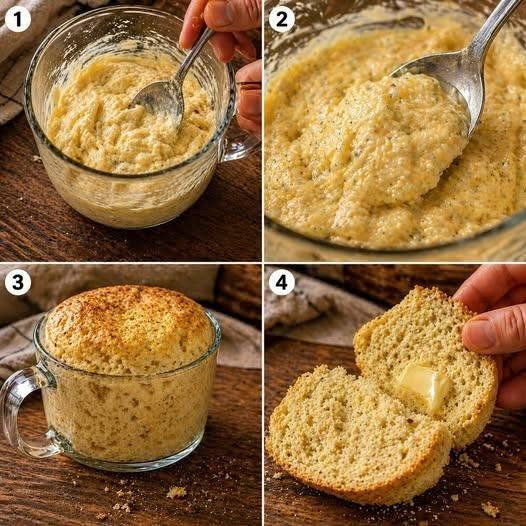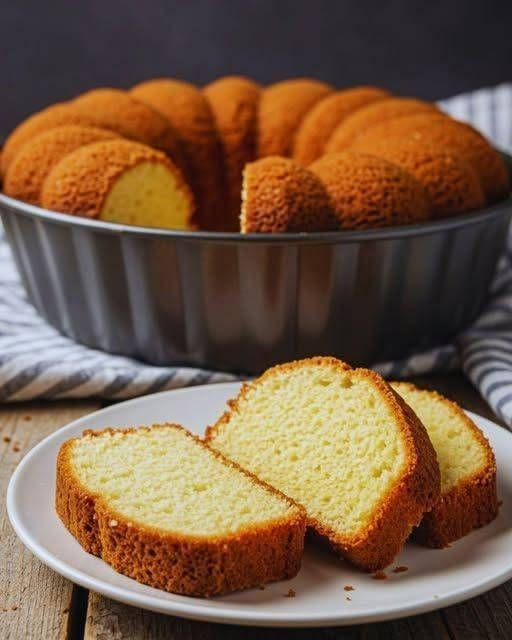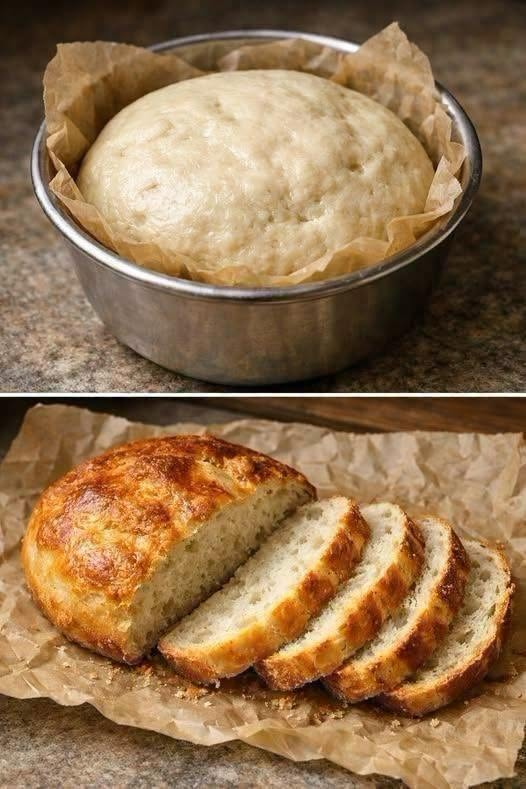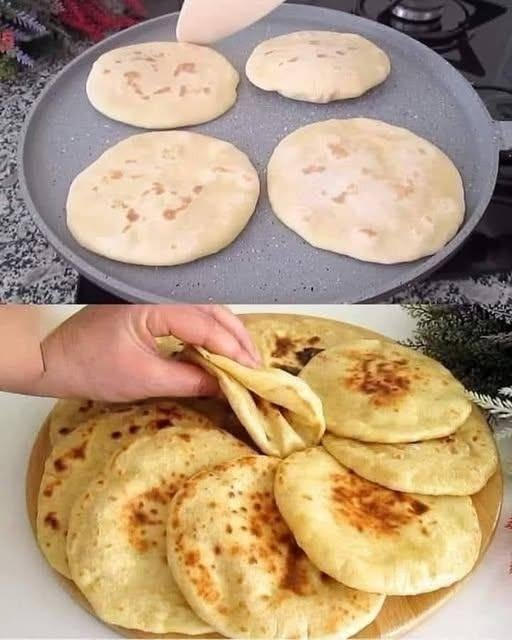
Savory Cottage Cheese & Parmesan Biscuits
Yield: 8–10 biscuits
Prep: 15 minutes
Bake: 18–23 minutes
Oven: 400°F / 200°C
Difficulty: Easy
Ingredients
Wet ingredients
1 cup (225–250 g) cottage cheese, preferably small-curd
2 large eggs
2 tablespoons olive oil or melted butter
Dry ingredients
1½ cups (190 g) all-purpose flour
1½ teaspoons baking powder
½ teaspoon salt
½ teaspoon garlic powder
½ teaspoon dried Italian seasoning
¼ teaspoon black pepper
¼ teaspoon onion powder, optional
Cheese
½ cup (45–50 g) finely grated Parmesan
¼ cup (25–30 g) shredded mozzarella or cheddar, optional
For the top
1 tablespoon grated Parmesan
½ teaspoon Italian seasoning
A little garlic powder
1 teaspoon melted butter or olive oil
Tip: If your cottage cheese is very watery, drain it for 5–10 minutes. Excess liquid is the main reason this dough can become too loose.
Full Step-by-Step Recipe
1. Prepare the oven
Preheat your oven to 400°F (200°C).
Line a baking tray with parchment paper.
For particularly soft biscuits, you can lightly grease the parchment.
2. Make the cottage-cheese mixture
Put the cottage cheese and eggs into a large mixing bowl.
Whisk together until reasonably smooth.
You don’t need to eliminate every cottage-cheese curd.
For an especially smooth biscuit, blend the cottage cheese first with an immersion blender or food processor. Cottage cheese is commonly used in biscuits because it contributes moisture and protein while giving the finished biscuit a tender texture.
Add:
olive oil or melted butter
garlic powder
onion powder
black pepper
Mix well.
3. Mix the dry ingredients
In another bowl combine:
flour
baking powder
salt
Italian seasoning
Whisk thoroughly so the baking powder and seasoning are distributed evenly.
4. Add the Parmesan
Add the grated Parmesan to the dry mixture.
Mix briefly.
The Parmesan adds saltiness and a savory, nutty flavor and also helps the biscuits brown.
5. Combine wet and dry
Add the dry ingredients to the cottage-cheese mixture.
Fold with a spatula.
Do not overmix.
Stop as soon as there are no large areas of dry flour.
The dough should be thick, soft and slightly sticky.
It should not resemble a pourable cake batter.
If the dough is too wet
Add flour 1 tablespoon at a time.
Usually 1–3 tablespoons is enough.
If the dough is too dry
Add 1 tablespoon cottage cheese or milk at a time.
6. Shape the biscuits
There are two easy methods.
Method A — Drop biscuits
Use a large spoon or ¼-cup scoop.
Place 8–10 portions onto the parchment.
Shape each into a rough round with slightly damp fingers.
This method most closely resembles the biscuits shown in your picture.
Method B — Cut biscuits
If your dough is firm enough:
Lightly flour your work surface.
Transfer the dough.
Gently press it to about ¾ inch / 2 cm thick.
Cut rounds with a 2½–3-inch cutter.
Transfer to the baking sheet.
Don’t knead repeatedly because this can make them dense.
7. Add the cheesy topping
Mix:
1 tablespoon Parmesan
a pinch of Italian seasoning
a small pinch of garlic powder
Brush the tops very lightly with melted butter or olive oil.
Sprinkle with the Parmesan mixture.
For the appearance in your photograph, add a little extra Parmesan to the tops.
8. Bake
Bake at:
400°F / 200°C for approximately 18–23 minutes.
They’re ready when:
the tops are golden brown
the edges are lightly browned
the centers feel set
the bottoms are lightly golden
Similar cottage-cheese biscuit recipes bake around 17–20 minutes at 400°F, while other versions use 375°F and slightly longer baking.
If your biscuits are particularly large, they may need 22–25 minutes. 9. Finish
Immediately after removing them from the oven, brush lightly with melted butter.
For a garlic-herb version, mix:
1 tablespoon melted butter
¼ teaspoon garlic powder
pinch of Italian seasoning
tiny pinch of salt
Brush over the hot biscuits.
Allow them to rest for 5–10 minutes before eating.
They will firm up slightly as they cool.
Approximate Nutrition
Using the recipe above and assuming 10 biscuits, approximate nutrition per biscuit is:
Nutrient Approx. per biscuit
Calories 170–190 kcal
Protein 8–9 g
Carbohydrates 18–21 g
Fat 7–9 g
Saturated fat 2–3 g
Fiber ~1 g
Sugar ~1–2 g
Sodium 300–400 mg
Calcium ~100–150 mg
These are estimates, not laboratory measurements. Cottage cheese, Parmesan, flour brands and the amount of added salt can substantially change the numbers. Published cottage-cheese biscuit recipes likewise report different nutrition depending on their exact ingredients and serving size.
Per 8 larger biscuits
If you make only 8 biscuits, each will be approximately:
210–235 calories
10–11 g protein
23–26 g carbohydrates
9–11 g fat
Why These Are High in Protein
The main protein sources are:
Cottage cheese + eggs + Parmesan.
For comparison, one published cottage-cheese biscuit variation using almond flour, cottage cheese and eggs estimates roughly 7–8 g protein per biscuit when making eight.
Using regular flour and Parmesan changes the nutritional profile, so the figures above are approximate.
Substitutions
Gluten-free
Use a 1:1 gluten-free baking flour containing a suitable binder.
The texture may be slightly different.
Lower-carb
Regular flour can be replaced with almond flour, although you cannot substitute it gram-for-gram and expect identical results.
A cottage-cheese/almond-flour version commonly uses approximately 1 cup almond flour to ¾ cup cottage cheese and eggs.
More protein
Add:
¼ cup extra cottage cheese
2–3 tablespoons Parmesan
You may need another tablespoon or two of flour to maintain the dough consistency.
More cheesy
Add ½ cup shredded cheddar or mozzarella.
No Parmesan
Use:
cheddar
mozzarella
Asiago
Pecorino
Remember that Pecorino is generally saltier, so reduce added salt.
No olive oil
Use melted butter.
Vegetarian
The basic recipe is vegetarian.
Flavor Variations
Garlic Parmesan
Add:
1 teaspoon garlic powder
½ teaspoon Italian seasoning
extra Parmesan on top
Excellent served warm with soup.
Jalapeño Cheddar
Add:
½ cup cheddar
1 small finely diced jalapeño
¼ teaspoon smoked paprika
Everything Bagel
Add:
1–2 teaspoons everything-bagel seasoning
Sprinkle additional seasoning on top.
Herb & Feta
Replace half the Parmesan with crumbled feta and add:
dill
parsley
oregano
Spinach & Cheese
Add:
½ cup finely chopped cooked spinach
¼ cup mozzarella
Squeeze the spinach very dry before adding it.
Frequently Asked Questions
Why is my dough so sticky?
Cottage cheese contains a lot of water. Different brands have different moisture levels.
Add flour gradually until you have a thick scoopable dough.
Don’t add a large amount of flour at once or the biscuits can become heavy.
Should I blend the cottage cheese?
You can, but you don’t have to.
Blending produces a smoother, more uniform biscuit. Leaving the curds intact gives you little pockets of cottage cheese.
Can I use low-fat cottage cheese?
Yes.
Full-fat cottage cheese generally produces a richer, softer result, but low-fat works too. Cottage cheese is routinely used as a substitute for some of the traditional dairy/fat components in biscuit recipes.
Can I use Greek yogurt instead?
Yes, but the texture will change.
Greek yogurt is thicker and more acidic, so you may need to adjust the flour.
Why didn’t my biscuits rise?
Check your baking powder.
Also avoid:
overmixing
excessively wet dough
old baking powder
a cold oven
Make sure the oven is fully preheated before the tray goes in.
Can I make them without eggs?
Yes, but eggs provide structure and binding.
For an egg-free version, use an appropriate egg substitute and expect a somewhat different texture.
Can I freeze these?
Yes.
Cool completely, then freeze in an airtight freezer bag or container.
For best quality, use within approximately 2–3 months.
Reheat directly from frozen at about 350°F / 175°C until warmed through.
How long do they keep in the refrigerator?
Store in an airtight container for about 3–4 days.
Reheat in an oven or air fryer rather than microwaving if you want the outside to become crisp again.
Can I make the dough ahead?
Yes, but because it contains raw egg and dairy, keep it refrigerated and bake it promptly rather than leaving it at room temperature.
Can I make smaller biscuits?
Absolutely.
Make 12 smaller biscuits and begin checking them around 14–17 minutes.
Can I make them in an air fryer?
Yes.
Try approximately 350–375°F (175–190°C) and start checking around 10–14 minutes, depending on their size and your air fryer.
Don’t overcrowd the basket.
Why are the bottoms too brown?
Try:
moving the tray to the middle rack
using parchment
reducing the oven temperature slightly
placing the biscuit tray on a second baking sheet
Dark baking trays generally brown bottoms faster.
Why are the biscuits dense?
The most common causes are too much flour and overmixing.
The dough should be soft and slightly sticky rather than stiff.
Best Texture Tips
For biscuits closest to the photograph:
Use small-curd full-fat cottage cheese.
Drain very watery cottage cheese.
Blend it if you want a smooth interior.
Use freshly grated Parmesan.
Don’t overmix.
Keep the dough fairly thick.
Make the biscuits tall rather than very flat.
Bake in a fully preheated 400°F/200°C oven.
Don’t overbake.
Brush with garlic butter immediately after baking.