Fluffy Japanese-Style Soufflé Cheesecake
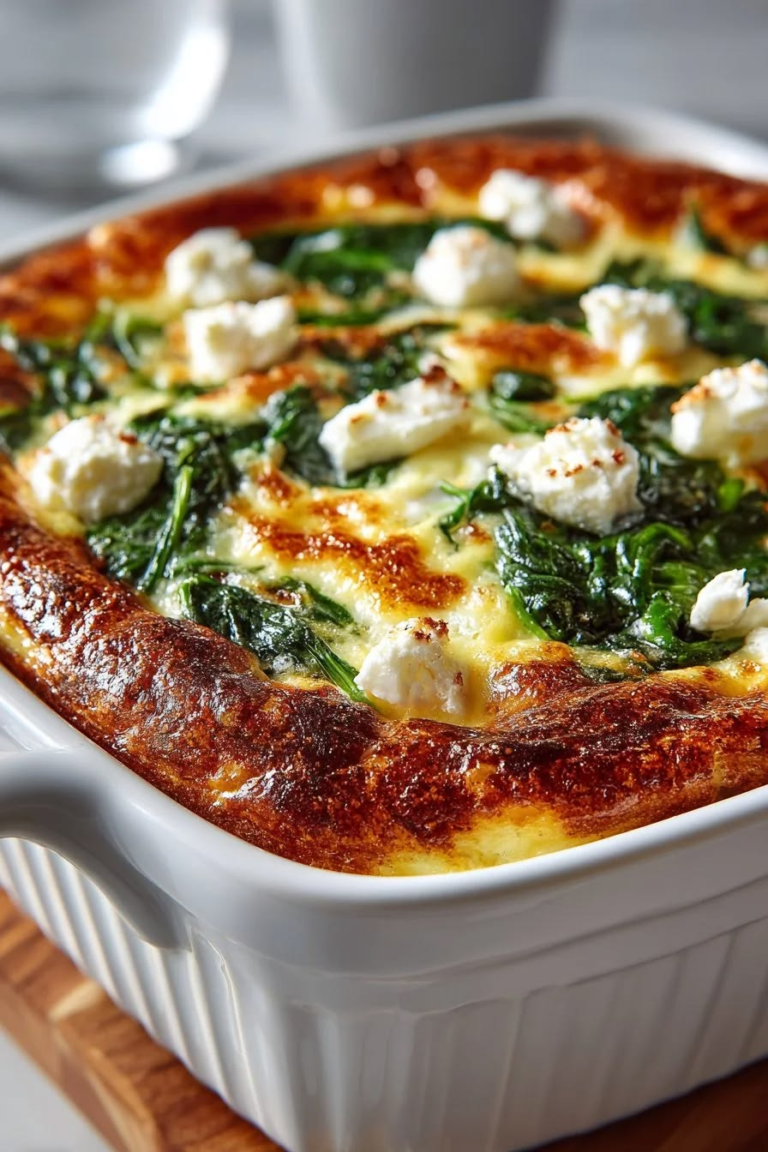
This light, airy, and incredibly soft baked cheesecake has a delicate, cloud-like texture with a golden top and a creamy center. It’s less sweet than traditional cheesecake and melts in your mouth with every bite.
Ingredients
Cheesecake Batter
- 8 oz (225 g) cream cheese, softened
- ¼ cup (60 g) unsalted butter
- ½ cup (120 ml) whole milk
- 6 large eggs, separated
- ½ cup (100 g) granulated sugar, divided
- 1 tsp vanilla extract
- 1 tbsp lemon juice
- ¾ cup (90 g) cake flour
- 2 tbsp cornstarch
- ¼ tsp salt
- ¼ tsp cream of tartar (or ½ tsp lemon juice)
Equipment
- 8×8-inch (20×20 cm) glass or square cake pan
- Large roasting pan (for water bath)
- Electric mixer
- Mixing bowls
- Fine mesh sieve
- Spatula
Instructions
Step 1: Prepare the Oven
- Preheat oven to 320°F (160°C).
- Grease and line the baking pan with parchment paper.
- Wrap the outside of the pan with aluminum foil if using a springform pan.
Step 2: Make the Cream Cheese Base
- In a saucepan over low heat, melt together:
- Cream cheese
- Butter
- Milk
- Stir until completely smooth.
- Remove from heat and cool for 5 minutes.
Step 3: Add Egg Yolks
Whisk in:
- Egg yolks
- Vanilla
- Lemon juice
Mix until smooth.
Step 4: Add Dry Ingredients
Sift together:
- Cake flour
- Cornstarch
- Salt
Fold into the batter until no lumps remain.
Step 5: Make the Meringue
- Beat egg whites until foamy.
- Add cream of tartar.
- Gradually add the sugar.
- Beat until medium-stiff peaks form.
Do not overbeat.
Step 6: Fold
Gently fold one-third of the meringue into the batter.
Fold in the remaining meringue in two additions until just combined.
Avoid deflating the batter.
Step 7: Bake
- Pour batter into the prepared pan.
- Tap gently to remove large air bubbles.
- Place the pan inside a larger roasting pan.
- Fill the roasting pan with hot water halfway up the sides.
Bake:
- 320°F (160°C) for 25 minutes
- Reduce to 285°F (140°C) and bake another 40–45 minutes.
The cake should be lightly golden and slightly jiggly in the center.
Step 8: Cool
- Turn off the oven.
- Leave the oven door slightly open.
- Let the cheesecake sit inside for 15 minutes.
- Remove and cool completely before refrigerating for 4 hours.
Prep Time
- Prep: 25 minutes
Cook Time
- 70 minutes
Chill Time
- 4 hours
Total Time
5 hours 35 minutes
Servings
9 servings
Nutrition (Per Serving – Approximate)
- Calories: 245
- Protein: 7 g
- Fat: 15 g
- Carbohydrates: 20 g
- Sugar: 13 g
- Fiber: 0 g
- Sodium: 170 mg
- Cholesterol: 155 mg
Nut Information
Contains Tree Nuts?
No.
Contains Peanuts?
No.
Nut-Free Status
This recipe is naturally nut-free.
Allergy Tip
Check the labels on cream cheese, butter, cornstarch, and vanilla extract if preparing for someone with a severe nut allergy, as manufacturing practices may vary.
Storage
Refrigerator
Store covered for up to 5 days.
Freezer
Freeze whole or sliced for up to 2 months. Thaw overnight in the refrigerator before serving.
Tips for Success
- Use room-temperature ingredients for a smoother batter.
- Sift the dry ingredients to prevent lumps.
- Beat the egg whites only to medium-stiff peaks for the fluffiest texture.
- Bake in a water bath to prevent cracks and keep the cake moist.
- Cool gradually in the oven to minimize shrinking.
Variations
- Lemon Soufflé Cheesecake: Add 1 tablespoon of lemon zest.
- Matcha Version: Mix 1 tablespoon of matcha powder into the flour.
- Chocolate: Fold 2 tablespoons of cocoa powder into the batter.
- Berry Topped: Serve with fresh strawberries, blueberries, or raspberries.
- Citrus Twist: Add orange zest for a refreshing flavor.
Frequently Asked Questions
Why did my cheesecake collapse?
A slight drop is normal. Overbeating the egg whites or cooling the cake too quickly can cause it to deflate more than expected.
Can I use all-purpose flour?
Yes. Replace the cake flour with an equal amount of all-purpose flour, though the texture may be slightly less delicate.
Why is a water bath important?
The steam helps the cheesecake bake evenly, keeping it moist and preventing cracks.
Can I make it ahead of time?
Yes. It’s even better after chilling overnight, which improves both the flavor and texture.
How do I know it’s done?
The top should be golden, the edges set, and the center should have a slight jiggle when gently shaken.
Can I serve it warm?
It can be served slightly warm, but it develops its signature light, creamy texture after chilling thoroughly.