
Hamburger Meat Recipes – Juicy, Versatile & Ready in 20 Minutes
Hamburger meat recipes are the kind of weeknight staple that never wears out its welcome. Ground beef is one of the most flexible proteins in your kitchen — and whether you’re building a classic burger, a skillet dinner, or a hearty weeknight bowl, hamburger meat delivers every single time. It works for a quick lunch, a satisfying family dinner, or a meal-prep session that sets you up for the whole week. The flavor is rich, the prep is minimal, and the results are consistent. No complicated techniques — just pure hamburger meat recipe goodness on your plate.
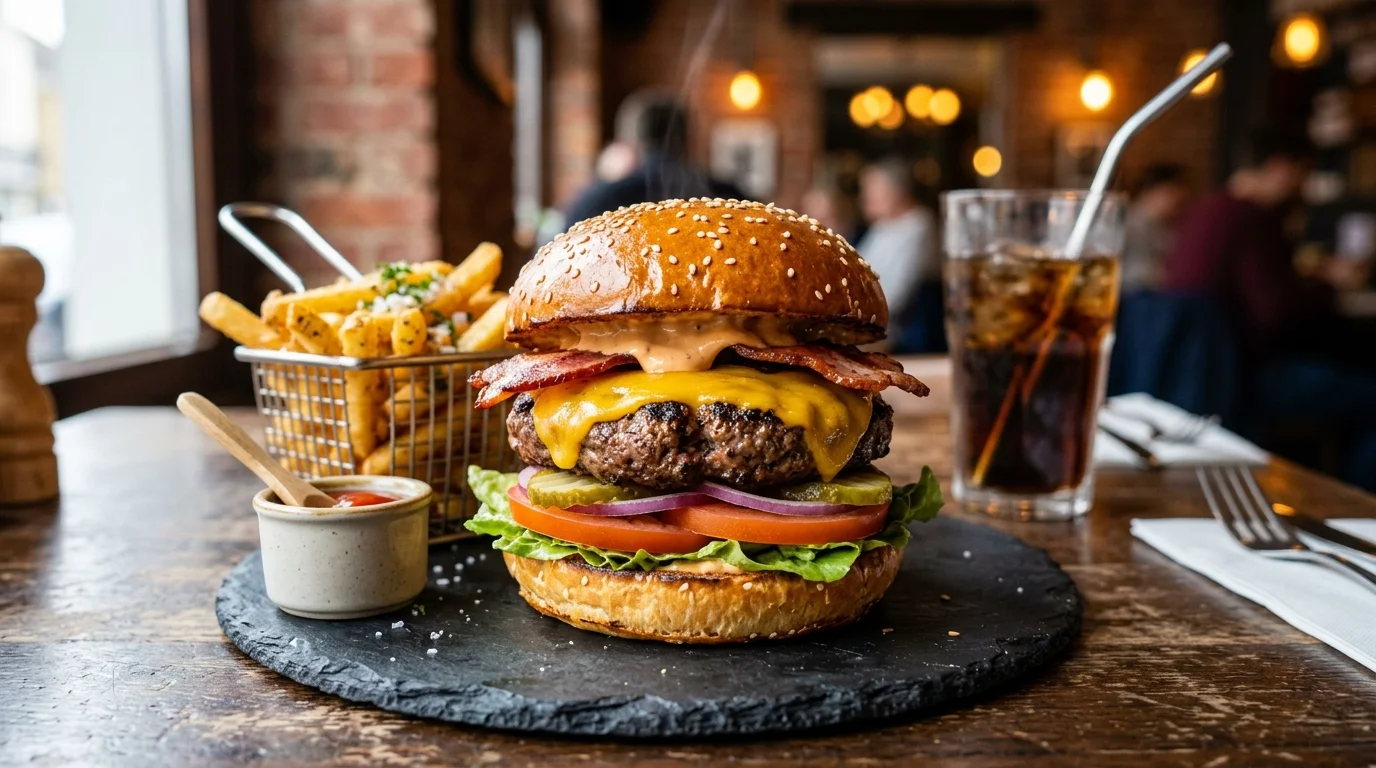
Ingredients List
- 1½ lbs ground beef (80/20 fat ratio recommended for best juiciness — leaner blends can be used but reduce moisture)
- 1 teaspoon garlic powder
- 1 teaspoon onion powder
- 1 teaspoon smoked paprika
- ½ teaspoon black pepper (freshly cracked preferred)
- 1 teaspoon sea salt
- 1 tablespoon Worcestershire sauce (adds deep umami — soy sauce works as a substitute)
- 1 tablespoon olive oil (for cooking — avocado oil or butter also work)
- 4 burger buns (brioche, potato rolls, or lettuce wraps for a low-carb option)
- 1 egg yolk (optional — helps bind the patties and adds richness)
- ¼ cup breadcrumbs (optional — use for a softer, more meatloaf-style texture)
- Sliced cheese (optional — cheddar, American, Swiss, or pepper jack)
- Toppings of your choice (lettuce, tomato, onion, pickles, condiments)
Step-by-Step Instructions
Step 1: Gather and Prep Your Ingredients
Measure out your seasonings before you touch the meat. Having everything ready means you mix once — no going back to the spice rack mid-recipe with raw beef on your hands. Pull the ground beef from the refrigerator about 10 minutes before cooking so it’s not ice-cold when it hits the pan; cold meat tenses up and loses moisture faster. If you’re using egg yolk or breadcrumbs, have those measured and ready in the bowl.
Pro Tip: Don’t skip the room-temperature rest. Even 10 minutes makes a noticeable difference in how evenly the patties cook.
Step 2: Season and Mix the Meat
Add the ground beef to a large bowl along with the garlic powder, onion powder, smoked paprika, salt, pepper, and Worcestershire sauce. Mix with your hands — gently. Overworking ground beef develops the protein too much and results in a tough, dense patty. You want the seasoning distributed evenly, not the meat kneaded like dough. Stop as soon as everything looks combined.
Pro Tip: Wet your hands lightly with cold water before mixing. It prevents the meat from sticking to your palms and keeps the fat from warming up too quickly.
Step 3: Shape Your Patties
Divide the mixture into 4 equal portions — roughly 6 oz each. Roll each portion into a ball, then press flat to about ¾-inch thickness. Use your thumb to press a shallow indent into the center of each patty. This dimple counteracts the way beef contracts in the center during cooking, keeping the patty flat rather than puffed. Uniform thickness matters — uneven patties cook unevenly, and you’ll end up with one dry edge and a raw center.
Pro Tip: Chill the shaped patties in the fridge for 10–15 minutes before cooking if time allows. Firmer patties hold their shape better in the pan.
📖 Read More: Healthy Snacks
Step 4: Cook to the Right Temperature
Heat a cast iron skillet or heavy-bottomed pan over medium-high heat. Add the olive oil and let it shimmer before adding the patties — don’t crowd the pan. Cook for 3–4 minutes per side without pressing down on the patties. Pressing squeezes out the juices and dries out the meat. For a safe internal temperature, aim for 160°F (71°C) — use an instant-read thermometer if you have one, especially for kids or anyone sensitive to undercooked beef.
Pro Tip: Add cheese in the last 60 seconds of cooking and cover the pan with a lid for 30 seconds. The trapped steam melts the cheese perfectly without overcooking the patty.
Step 5: Taste and Fine-Tune
Once the patties are off the heat, let them rest on a plate for 2–3 minutes before assembling. Resting allows the internal juices to redistribute — cut in too early and they run out onto the plate instead of staying where they belong. This is also the moment to taste a small piece and assess the seasoning. If it needs more salt, add a light pinch directly to the surface. If you want more heat, a dash of hot sauce on the finished patty works better than trying to rework the mix.
Pro Tip: Toast your buns cut-side down in the same pan for 30–45 seconds after removing the patties. The leftover beef drippings add flavor you can’t replicate any other way.
Step 6: Plate, Garnish, and Serve
Build your burger with intention — sauce on both bun halves, then greens on the bottom to act as a moisture barrier, patty next, then toppings. This layering keeps the bottom bun from going soggy before the first bite. Serve immediately — hamburger meat recipes are at their best fresh off the heat, not sitting on the counter. Pair with a side salad, roasted vegetables, or baked fries for a complete meal.
Pro Tip: A thin spread of mayo on the bottom bun before the greens acts as an additional moisture barrier and elevates the overall flavor profile.
Cook Time
Total Time: 20 minutes | Prep: 10 minutes | Cook: 10 minutes Stovetop method. No oven required.
Servings
Makes 4 burger patties — approximately 6 oz per patty before cooking.
Nutritional Information (approx. per serving — patty only, no bun or toppings)
| Nutrient | Amount |
|---|---|
| Calories | 370 kcal |
| Fat | 24g |
| Saturated Fat | 9g |
| Carbohydrates | 2g |
| Protein | 34g |
| Sugar | 0g |
| Fiber | 0g |
| Sodium | 520mg |
| Vitamin C | 0mg |
| Potassium | 480mg |
| Calcium | 22mg |
Values are approximate and will vary based on ingredients used.
Storage Instructions
Cooked hamburger patties are best eaten fresh — the texture and juiciness are at their peak straight from the pan. If you have leftovers, store cooked patties in an airtight container in the refrigerator for up to 3–4 days. Reheat gently in a covered skillet over low heat with a splash of water or broth to reintroduce moisture — microwaving works but tends to toughen the exterior. Avoid reheating more than once. If you want to freeze cooked patties, wrap each one individually in plastic wrap before placing in a freezer bag — they’ll keep for up to 3 months. For the best results, use the freezer pack method for raw patties instead: season and shape the raw meat, separate patties with parchment paper, and freeze in a zip-lock bag. Pull them out the night before, thaw in the fridge, and cook fresh — the result is indistinguishable from never-frozen beef.
Suggestions
- Smash Burger Version: Use 3 oz balls of beef instead of pre-shaped patties. Press them flat against a screaming-hot cast iron with a spatula immediately after they hit the pan. The increased surface area creates maximum crust — a Maillard reaction that delivers deep, savory flavor in every bite.
- High-Protein Bowl: Skip the bun entirely. Crumble and brown the beef in a skillet with onions and peppers, then serve over cooked quinoa or brown rice with a fried egg on top. Each bowl delivers 40+ grams of protein and works equally well as a meal-prep lunch for the week.
- Dairy-Free Option: Use a plant-based cheese alternative or skip cheese entirely — the seasoned patty is flavorful enough to hold its own. Swap the brioche bun for a lettuce wrap to keep it fully dairy-free and lower in carbohydrates without sacrificing satisfaction.
- Kid-Friendly Version: Add ¼ cup of finely grated zucchini or carrot (squeezed dry) into the meat mixture before shaping. It adds hidden vegetables without affecting the taste, makes the patty slightly moister, and gives you an easy win at the dinner table. Serve on small slider buns for a portion size kids can actually manage.
- Weight-Loss Version: Use 93/7 lean ground beef and skip the egg yolk and breadcrumbs. Season generously — leaner meat needs more seasoning to compensate for lower fat content — and cook at slightly lower heat to avoid drying it out. Serve in a lettuce cup with sliced avocado instead of a bun to keep calories in check without sacrificing volume.
- Spicy Tex-Mex Twist: Add 1 teaspoon of cumin, ½ teaspoon of chili flakes, and a tablespoon of finely diced jalapeño directly into the mix. Top the finished patty with pepper jack cheese, sliced avocado, and a chipotle mayo. This variation works just as well crumbled over nachos as it does in a bun.
- Mushroom Swiss Upgrade: Sauté sliced cremini mushrooms in butter with a pinch of thyme until golden. Pile them over a Swiss-topped patty for an earthy, restaurant-quality result that takes 5 minutes more effort than a standard build. The umami from the mushrooms deepens the overall flavor of the hamburger meat significantly.
Seasonal Relevance
Hamburger meat recipes are genuinely year-round — there’s no bad season for a well-seasoned beef patty. That said, June through September is peak grilling season, and moving these patties from stovetop to outdoor grill is a direct swap. Fresh tomatoes, peak in July and August, make a noticeable difference as a topping compared to out-of-season options. If you grow your own herbs, summer basil and July thyme add a fresh dimension to the seasoning blend that dried herbs can’t fully replicate. In colder months — November through March — the cast iron skillet method keeps things just as satisfying indoors. This recipe adapts without effort to whatever season you’re in.
Conclusion
Hamburger meat recipes have earned their place in every home cook’s rotation for good reason — they’re fast, filling, and endlessly adaptable. The base recipe here is solid on its own, but the real value is in how far you can take it. Try the smash burger method once and it becomes your default. Swap the bun for a bowl and you’ve got a high-protein meal-prep option that actually tastes like dinner. Add heat, add mushrooms, add hidden vegetables — the foundation handles all of it. Once you’ve nailed the basics of working with hamburger meat, every variation feels intuitive rather than like a new recipe. Start simple, adjust to your preferences, and make it yours.
FAQs
Q: What’s the best fat ratio for hamburger meat recipes? 80/20 ground beef — 80% lean meat, 20% fat — is the sweet spot for most recipes. The fat content keeps the patty moist during cooking and carries flavor in a way that leaner blends can’t match. If you’re cooking on a grill or cast iron at high heat, the fat renders out rather than pooling, so the final patty isn’t greasy. For recipes where you’re browning and draining the beef (tacos, pasta sauce), a leaner 90/10 blend is perfectly fine.
Q: Can I use frozen ground beef? Yes — thaw it completely in the refrigerator overnight before using. Never thaw ground beef on the counter at room temperature, as the outer layer warms into the danger zone while the center is still frozen. Once fully thawed, the beef behaves exactly like fresh and seasons the same way. Avoid re-freezing raw beef that’s been thawed unless you cook it first.
Q: My patties keep falling apart. What’s going wrong? The most common cause is overhandling the meat, which breaks down the fat structure and makes it loose. Another frequent issue is too much moisture — excess Worcestershire sauce or wet add-ins can destabilize the bind. Add a single egg yolk and a tablespoon of breadcrumbs to help hold the shape, and make sure you’re pressing the patties firmly before cooking. Chilling them for 15 minutes before they hit the pan also makes a significant difference.
Q: Can I make hamburger meat recipes ahead of time for meal prep? Absolutely — this is one of the best proteins for meal prep. Brown a batch of seasoned ground beef, cool it completely, and portion it into containers for up to 4 days in the fridge. Use it in tacos, grain bowls, pasta sauces, or stuffed peppers throughout the week. Pre-shaped raw patties can also be stacked with parchment between them and refrigerated up to 24 hours before cooking.
Q: What vegetables work well mixed into hamburger meat? Finely diced onion, grated zucchini, grated carrot, minced mushrooms, and finely chopped spinach all work well when incorporated into the raw mix. The key is keeping pieces very small and removing as much moisture as possible — particularly from zucchini and mushrooms — before mixing. Large or wet vegetable pieces will cause the patty to fall apart and steam rather than sear properly.
Q: How do I know when hamburger meat is fully cooked without a thermometer? The most reliable visual cue is color — fully cooked ground beef has no pink remaining, and the juices run clear when you press the center. For patties, cut slightly into the thickest part: it should be uniformly brown with no translucent or pink areas. That said, a basic instant-read thermometer is inexpensive and takes the guesswork out entirely — 160°F is the safe internal temperature for ground beef.
Q: Can I make a no-beef version of these hamburger meat recipes? Yes. Ground turkey or ground chicken work as direct substitutes, though both are leaner and benefit from an extra tablespoon of olive oil mixed into the meat. Ground lamb delivers a richer, slightly gamey flavor that works well with Mediterranean-style toppings. For a plant-based option, lentil-walnut patties follow the same shaping and cooking process and hold up surprisingly well on a hot skillet.
